Spider IdentifierAustralia

Identify a redback spider by red markings, messy web, size and common hiding spots around Australian homes. Compare photos, danger level, first aid notes, web clues and what to check next before choosing a likely match.

Bitten or unwell? Call 000. Poisons advice: 13 11 26.

Latrodectus hasselti

Redback Spider Identification in Australia

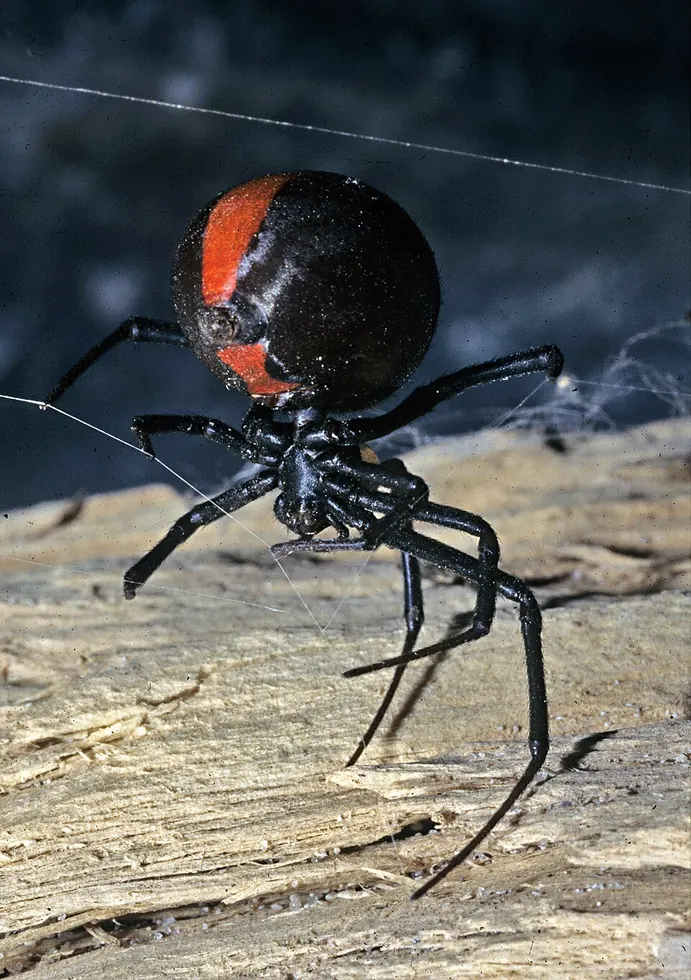
Small black spider, usually female, with a red stripe or hourglass marking and a messy web in dry sheltered places.

Medically significantReviewed and updated 2026-05-13
SizePea to 5c coin
Colours / marksBlack or very dark, Red or orange marking
Web clueMessy web
Usually foundDry sheltered areas around homes, sheds, outdoor furniture, toilets, logs and stored items.

First aid / what to do now

  1. Wash the bite area with soap and water.
  2. Use a cold pack for pain relief. Do not apply a pressure immobilisation bandage for a redback bite.
  3. Call the Poisons Information Centre on 13 11 26 for advice.
  4. Seek medical care promptly for severe pain, sweating, nausea, a child bite, pregnancy, or worsening symptoms.

This site cannot diagnose a bite. In an emergency call 000. For poisoning advice in Australia call 13 11 26.

How to identify the Redback spider

  • Small black or brownish body
  • Red/orange stripe or hourglass mark
  • Messy web close to ground or sheltered object
  • Common in sheds, outdoor furniture and dry sheltered spots

Danger level

Medically significant

What to check next

Look for a tangled web and red/orange abdominal marking. Avoid touching the web or spider.

When to seek medical help

Seek medical advice for significant pain, sweating, nausea, spreading symptoms or if a child is bitten.

Where the Redback spider is usually seen in Australia

Dry sheltered areas around homes, sheds, outdoor furniture, toilets, logs and stored items.

How it differs from lookalikes

These comparisons are clues, not a confirmed species ID. Use several features together: body shape, size, location, web type and behaviour.

  • Brown house spider / cupboard spiderMay overlap because of same region, similar size, similar place. For this spider, check: Look for a tangled web and red/orange abdominal marking. Avoid touching the web or spider. For the other possibility, check: Check for redback-like shape but absence of a strong red stripe or hourglass mark.
  • Common house spiderMay overlap because of same region, similar size, similar place. For this spider, check: Look for a tangled web and red/orange abdominal marking. Avoid touching the web or spider. For the other possibility, check: Check for a messy corner web, small rounded abdomen and lack of a strong redback-style red stripe or hourglass marking.
  • Red house spiderMay overlap because of same region, similar size, similar colour. For this spider, check: Look for a tangled web and red/orange abdominal marking. Avoid touching the web or spider. For the other possibility, check: Check for a messy indoor web, reddish-brown body and lack of a clear redback marking. Compare with redbacks, cupboard spiders and common house spiders if unsure.

Common comparisons

People often compare this spider with similar Australian spiders. These quick links help you check the closest alternatives.

Compare this spider by state

Use the state guides to compare this spider with other local possibilities.

Next useful checks

Still trying to identify this spider?

Use these quick paths if the Redback spider is only one possible match. They help compare photo clues, local spider pages, bite guidance and similar Australian spiders.

Reference notes

How this guide stays cautious

Spider Identifier Australia uses visible clues to suggest likely possibilities. It is not a medical diagnosis or a formal species determination.

Common questions

Redback spider FAQ

Is the Redback spider dangerous?

Danger level: Medically significant. Seek medical advice for significant pain, sweating, nausea, spreading symptoms or if a child is bitten.

How do I identify the Redback spider?

Check the visible body shape, size, colour, markings, location and web or hiding place. Key clues include: Small black or brownish body; Red/orange stripe or hourglass mark; Messy web close to ground or sheltered object; Common in sheds, outdoor furniture and dry sheltered spots.

What should I do if I think I was bitten by a Redback spider?

Use a cold pack for pain, keep the person under observation, and call 13 11 26 or seek medical care for severe pain, sweating, nausea, a child bite, pregnancy or worsening symptoms.

Where is the Redback spider usually found?

Dry sheltered areas around homes, sheds, outdoor furniture, toilets, logs and stored items.

What spiders look similar to the Redback spider?

Common lookalikes can overlap in colour, size, web type or habitat. Use the similar spiders and common comparisons on this page to check alternatives before settling on a match.

Can I identify the Redback spider by photo?

A photo can help if it shows the whole spider, markings, size and where it was found. For the Redback spider, also compare the checklist clues and what to check next rather than relying on colour alone.