Australian spider questions
Hundreds of Baby Spiders Indoors: What Should I Do?
What a sudden cluster of tiny spiderlings means, why numbers usually fall quickly, and how to respond without spraying or trying to handle them one by one.
Quick answer
Start here
A sudden crowd of tiny spiders usually means an egg sac has hatched nearby. Do not spray, crush the cluster or assume every spiderling will grow into an adult indoors. Photograph the group and any empty sac, keep pets and children away, and give them time to disperse. If they are in a bedroom, kitchen or high-contact area, gently move small groups with a container and card to sheltered outdoor cover.
Useful clues
Read the situation first
Cluster near silk or an egg sac
This strongly suggests a recent hatch. Photograph the sac and nearby adult before cleaning because they may help identify the family.
Pale spiders spread across walls
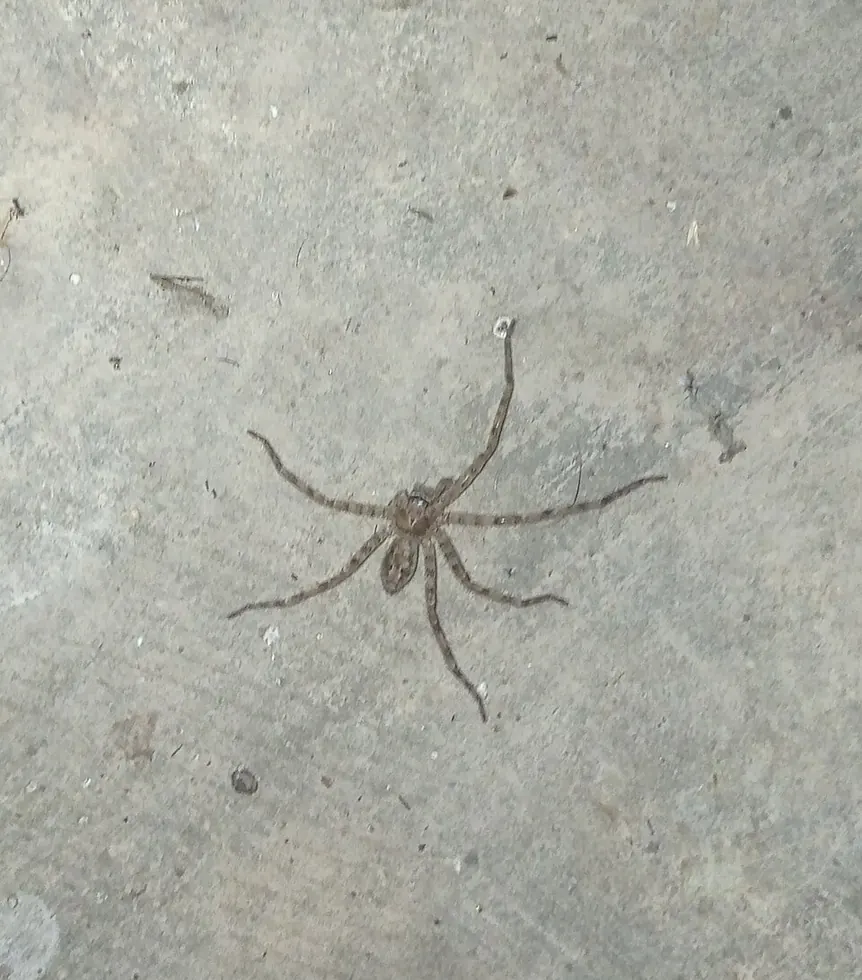
Young huntsmans can be pale and may disperse after spending early moults near their mother. Numbers normally decline as they spread out.
Babies riding on a spider
Wolf spiderlings ride on their mother's abdomen rather than beginning as a loose wall cluster. Do not brush them off.
Tiny spiders in a web
Web-building families may remain around the natal web briefly. Web shape, egg-sac form and adult identity are stronger clues than size alone.
Practical steps
What to do next
- Keep the room calm and move children and pets away from the cluster.
- Take a whole-cluster photo, a close-up and a wider image showing the room or fixture.
- Look for an egg sac, shed skins, a guarding adult or an entry gap without putting fingers into the web.
- Wait several hours if the location is low risk; natural dispersal may solve most of the problem.
- For a bedroom or food-preparation area, move manageable groups gently to sheltered outdoor cover.
- Seek professional help if the adult or web suggests redbacks or another medically significant spider, or if access is unsafe.
A hatch looks bigger than the future population
An egg sac can release many spiderlings at once, producing the startling impression that the house will soon contain the same number of adults. In reality, spiderlings disperse, compete, are eaten by predators and face limited prey and shelter. A short-lived cluster does not predict a permanent infestation.
Huntsman spiderlings often disperse
Museum accounts describe young huntsmans remaining with their mother through early moults before eventually dispersing. Fresh Australian household reports match that pattern: dozens or hundreds appear on walls and ceilings, then spread away over the following days. Avoid turning a temporary event into chemical exposure throughout the room.
Confirm that they really are spiderlings
Tiny adult wall spiders, mites and small insects can be mistaken for babies. A nearby egg sac, multiple similar individuals and a visible adult provide stronger evidence. Use a macro photo and safe scale reference rather than relying on the word 'tiny'.
Choose action by room and risk
A cluster on a veranda or unused shed wall can often disperse undisturbed. Spiderlings above a bed, inside a food cupboard or beside a child's play area may reasonably be moved. Work in small sections with a container and card; vacuuming or spraying removes the identification evidence and may spread chemicals.
Do not disturb a guarding female
Female huntsmans can defend an egg sac. Redbacks and other web spiders may also remain near sacs. Do not reach between the adult and the sac or try to lift either by hand. Photograph from a distance and use professional help when the adult cannot be confidently assessed.
Profiles to compare
Open the closest spider profiles
Common questions
Hundreds of Baby Spiders Indoors: What Should I Do? FAQ
Will all the baby spiders grow up in my house?
No. Most will disperse or fail to survive to adulthood, especially where prey and shelter are limited.
Should I spray them?
Usually no. First identify the situation and allow safe dispersal or use contained relocation in high-contact rooms.
How long will they stay together?
It varies by family and conditions, but a visible cluster may thin noticeably over hours or days.
Are they baby huntsmans?
Possibly, but tiny wall spiders and other families can look similar. Include the egg sac, adult and location in photos.
What if they are redbacks?
Keep people away from the web and egg sacs and arrange professional removal when they occupy an accessed area.
Identification is not medical advice
If a bite has occurred or someone seems unwell, follow Australian health advice and seek urgent help for serious symptoms.