Red mark clue
Is this a redback spider? Australian redback lookalikes
A red or orange mark is a useful clue, but it is not enough by itself. Check the web, body shape, where the spider was found and whether it matches common redback lookalikes.
Start here
Start with the web and body shape
A likely redback is usually a small black or brownish comb-footed spider in a messy sheltered web, often with a red or orange stripe or hourglass marking. Juveniles and males can show paler markings, so compare several clues before deciding.
Quick checks
Compare the clues before choosing a match
- Red or orange markingLook for a clear stripe, hourglass or patterned juvenile markings rather than assuming every dark spider is a redback.
- Messy sheltered webRedbacks often sit in tangled dry webs in sheds, furniture, corners, bins, fences or low sheltered spots.
- Small rounded bodyFemales are the classic rounded black spider; males and juveniles can be smaller and less obvious.
- Bite or symptomsIf someone has been bitten and symptoms are concerning, call 13 11 26 or seek medical help rather than waiting for a perfect ID.
Profiles to compare
Open the closest Australian spider profiles
These links support the question page rather than replacing the detailed spider profiles.
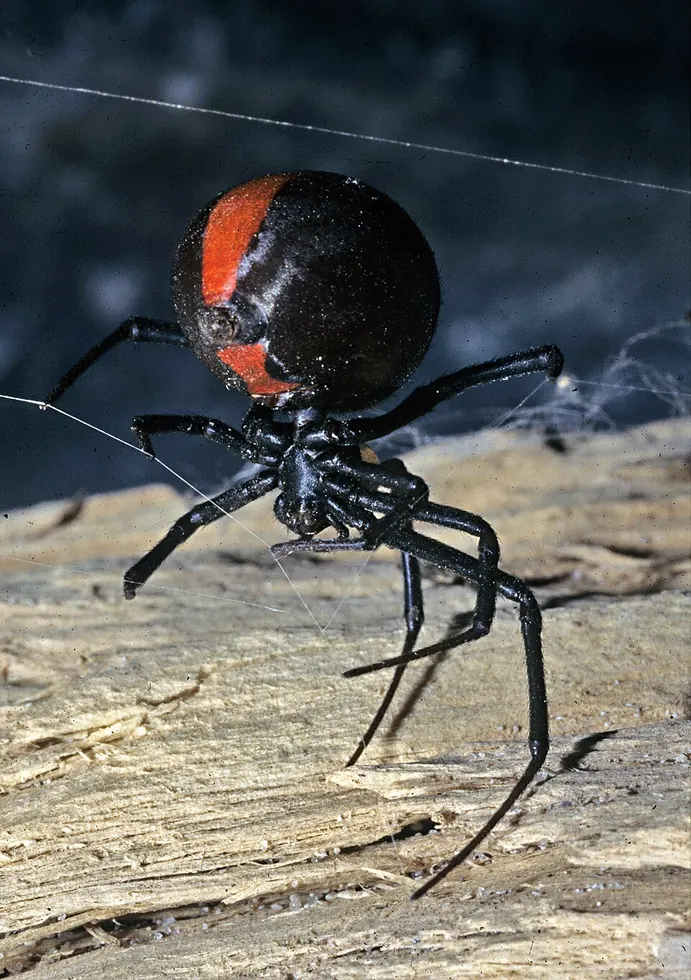 Medically significantRedback spiderSmall black spider, usually female, with a red stripe or hourglass marking and a messy web in dry sheltered places.
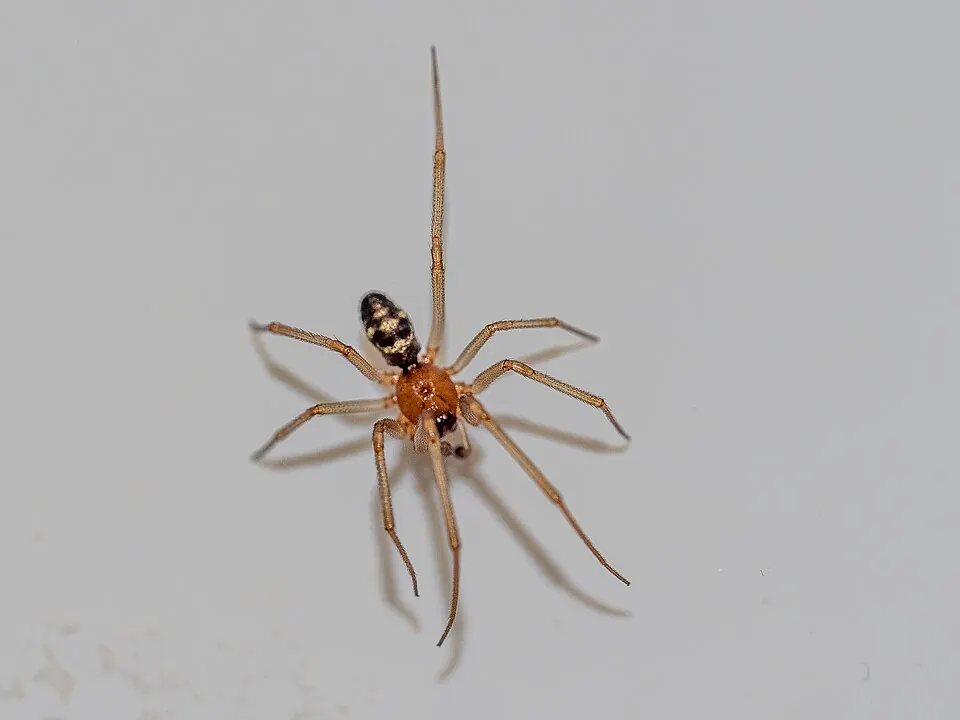 Usually low riskBrown house spider / cupboard spiderSmall brown comb-footed spider in messy indoor webs, sometimes confused with redbacks or false widows.
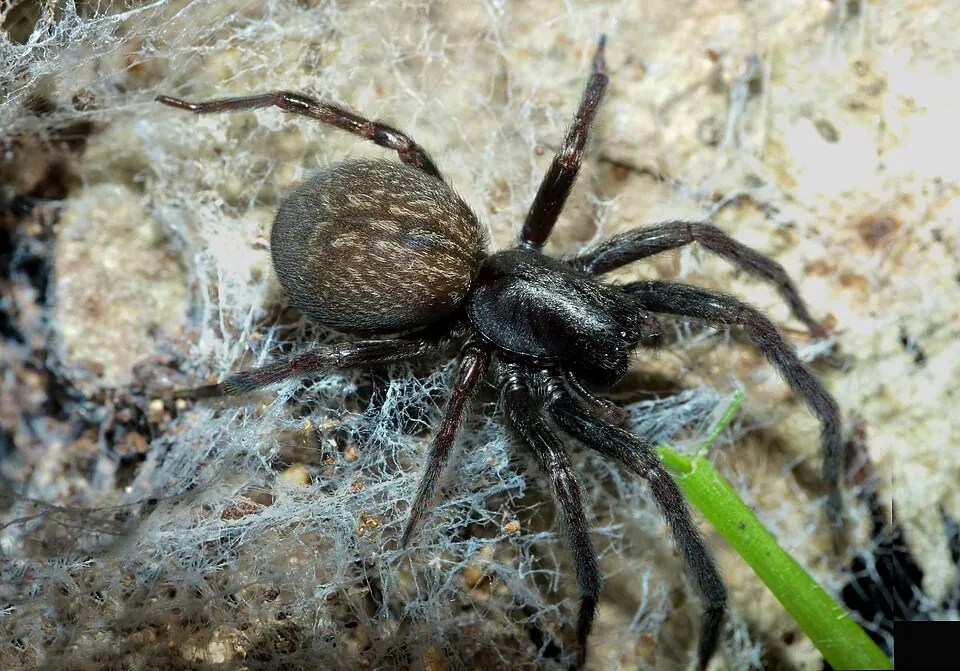 Usually low riskBlack house spiderDark, sturdy house spider that builds messy lace-like webs around windows, walls, fences and crevices.
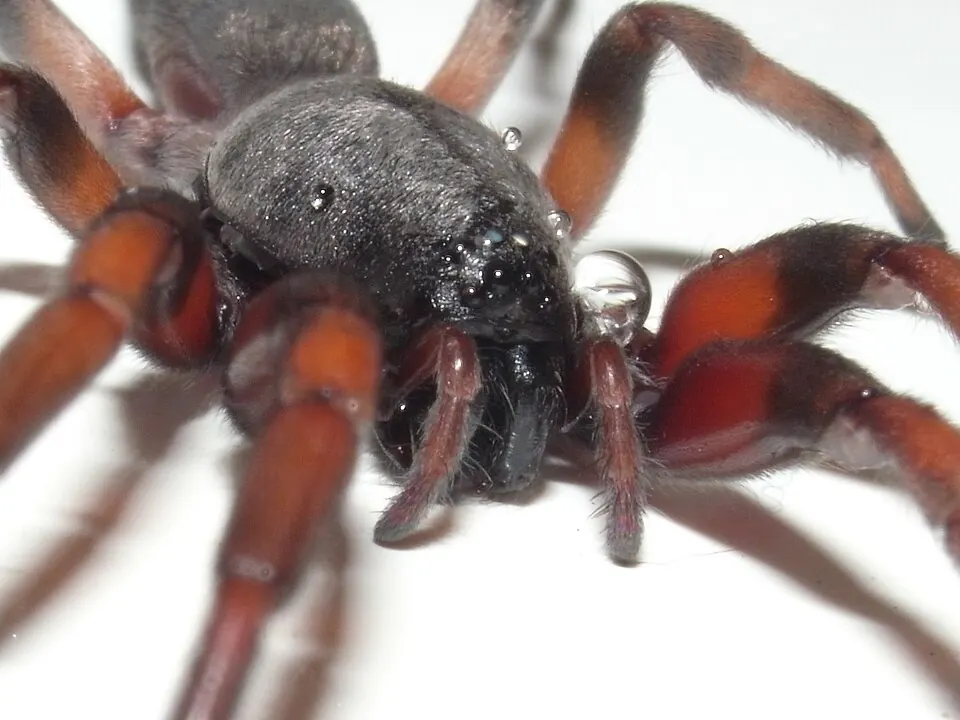 Painful but usually not life-threateningWhite-tailed spiderDark, cigar-shaped wandering spider with a pale spot at the tip of the abdomen, often seen indoors at night.
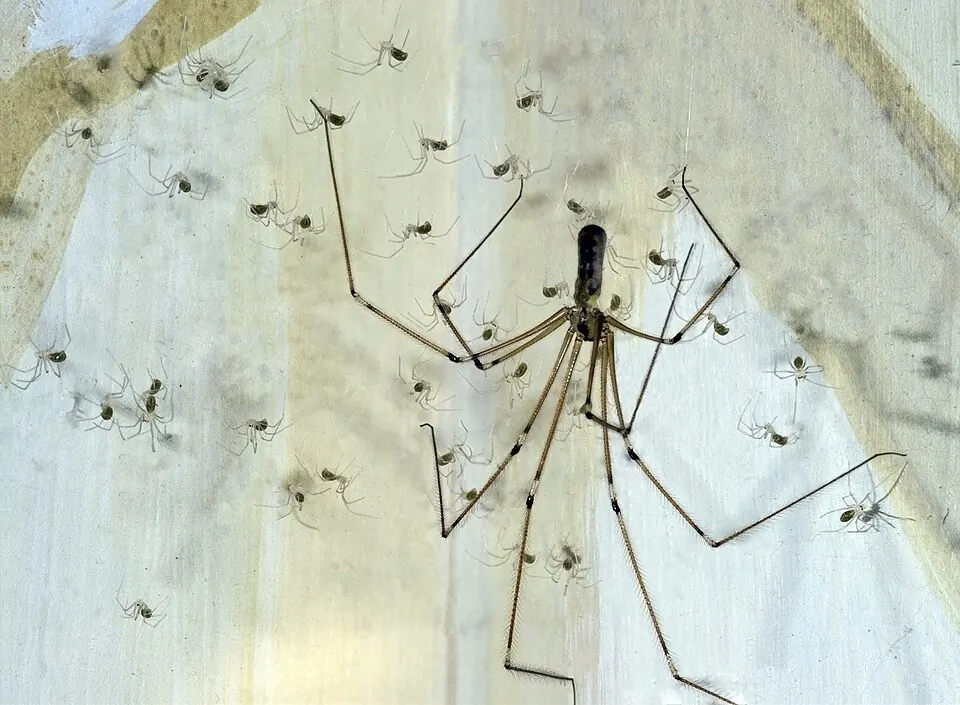 Usually low riskDaddy-long-legs spiderVery thin-legged indoor spider in loose corner webs, common in houses and garages.
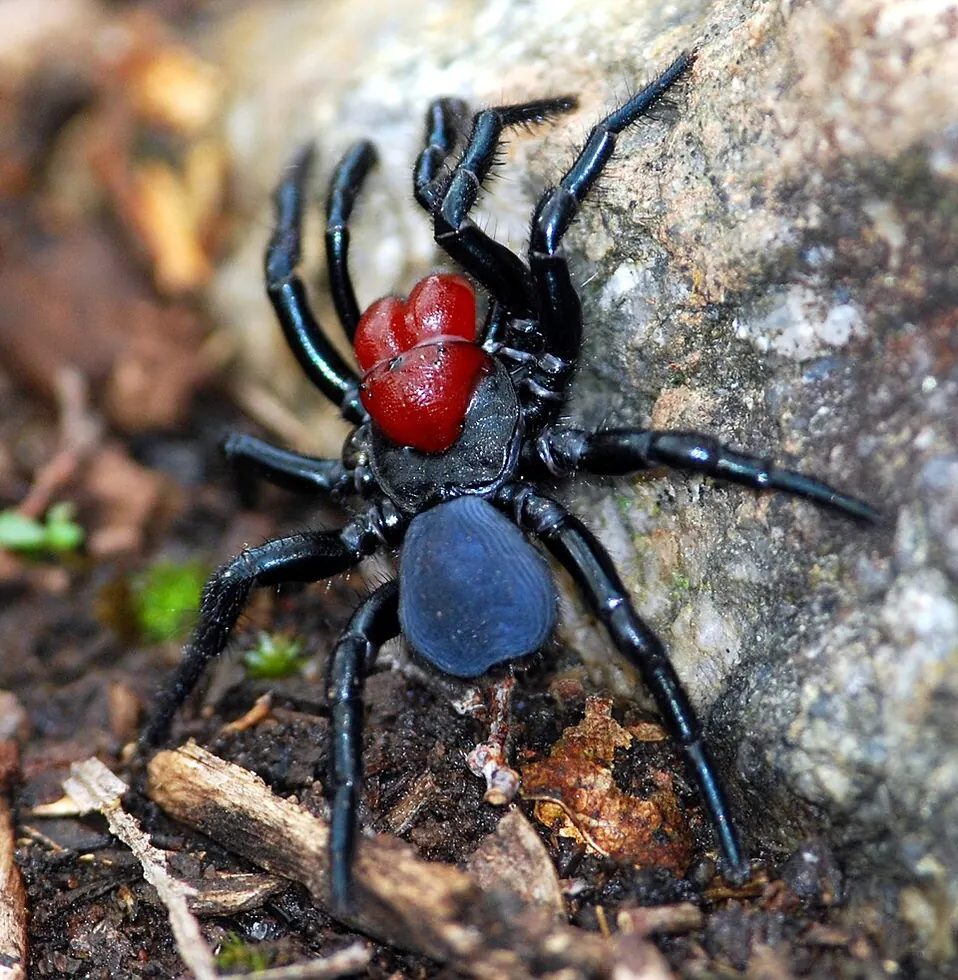 Medically significantMouse spiderStocky ground spider; males may have a red head or pale patch depending on species, and can be confused with funnel-webs.
Redback vs brown house spider
Brown house or cupboard spiders can sit in messy indoor webs and may be mistaken for young or dull redbacks. Check for a clear red/orange marking, web strength, body roundness and whether egg sacs or a sheltered retreat are present.
Redback vs black house spider
Black house spiders are usually sturdier web-builders around windows, fences and wall crevices. Their messy lace-like webs often have a retreat hole, while a redback web is more tangled and often close to dry sheltered objects.
What to do if it might be a redback
Keep distance and do not handle the spider or web. If a bite is suspected, use the spider bite guide, call 13 11 26 for poisons advice, and seek urgent care for severe pain, sweating, nausea, child bites or worsening symptoms.
More high-intent guides
Common spider identification questions
Red mark clueIs This a Redback Spider?Check redback spider clues in Australia, including red or orange markings, messy web position, body shape and common lookalikes.White-tail worryWhite-tail Spider Bite Myths AustraliaPlain-English Australian guide to white-tail spider bite myths, necrosis fears, symptoms, lookalikes and when to seek medical advice.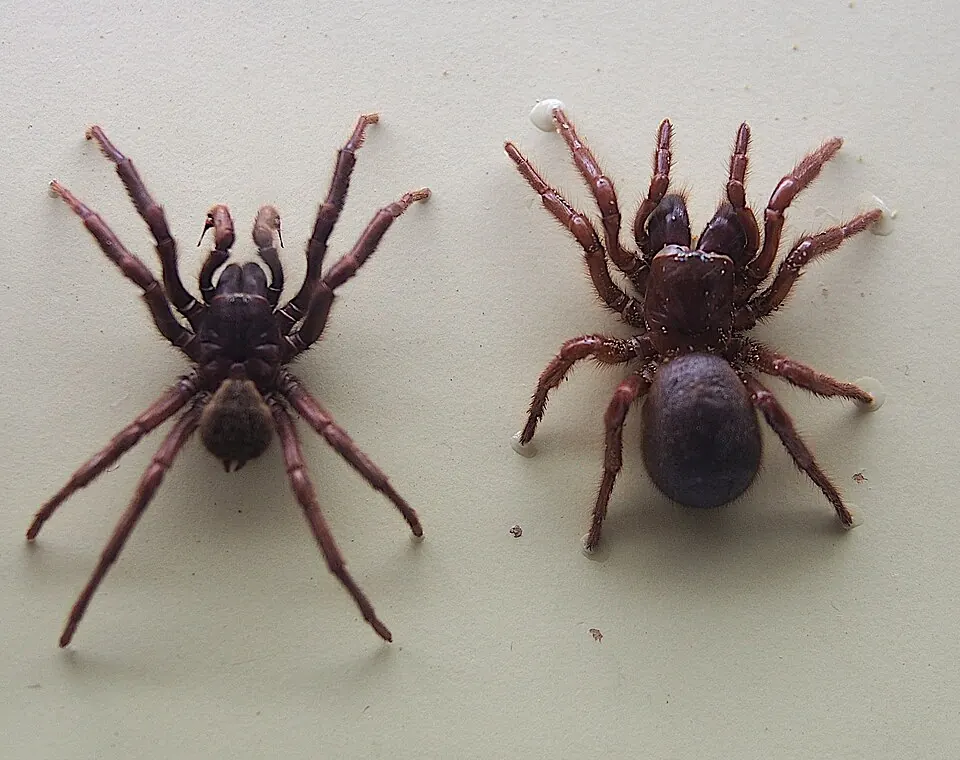 Big black spiderFunnel-web vs Trapdoor vs Mouse SpiderCompare funnel-web, trapdoor and mouse spider clues in Australia, including body shape, burrows, region and urgent bite safety advice.House spider clueBrown Spider in House AustraliaIdentify a brown spider in an Australian house by comparing size, web type, room, markings and common indoor spider lookalikes.
Common questions
Is This a Redback Spider? FAQ
How can I tell if a spider is a redback?
Use several clues together: small rounded body, black or brown colour, red or orange marking, and a messy dry sheltered web. A single red mark is not enough for certainty.
Can a redback look brown?
Yes. Young or less typical redbacks can look brownish or patterned. Compare the web, body shape and markings with brown house spiders and other comb-footed spiders.
Are redback bites dangerous?
Redback bites can cause significant pain and symptoms. Call 13 11 26 for poisons advice, and seek medical help if symptoms are severe or worrying.
Should I touch the web to check if it is a redback?
No. Do not touch the spider or web. Use visual clues and keep a safe distance.
Reference notes
How this guide stays cautious
Spider Identifier Australia uses visible clues to suggest likely possibilities. It is not a medical diagnosis or a formal species determination.
- Australian Museum spider informationAustralian spider identification, biology and dangerous spider context.
- Australian Museum funnel-web spidersFunnel-web range, identification and bite-safety context.
- Poisons Information CentreCall 13 11 26 for poisons advice from anywhere in Australia.
- healthdirect spider bitesAustralian spider bite first aid, emergency signs and white-tail bite evidence.
- Australian Museum redback spiderRedback identification, web clues and Australian distribution.
- Australian Museum spiders in the house and gardenCommon Australian house and garden spider context.