Spider IdentifierAustralia

Identify knobbled garden orb-weavers in Australia by two rear abdominal bumps, round night web, banded legs, garden habitat and low-risk bite context. Compare photos, danger level, first aid notes, web clues and what to check next before choosing a likely match.

Bitten or unwell? Call 000. Poisons advice: 13 11 26.

Hortophora biapicata

Knobbled Garden Orb-Weaver Spider Identification in Australia

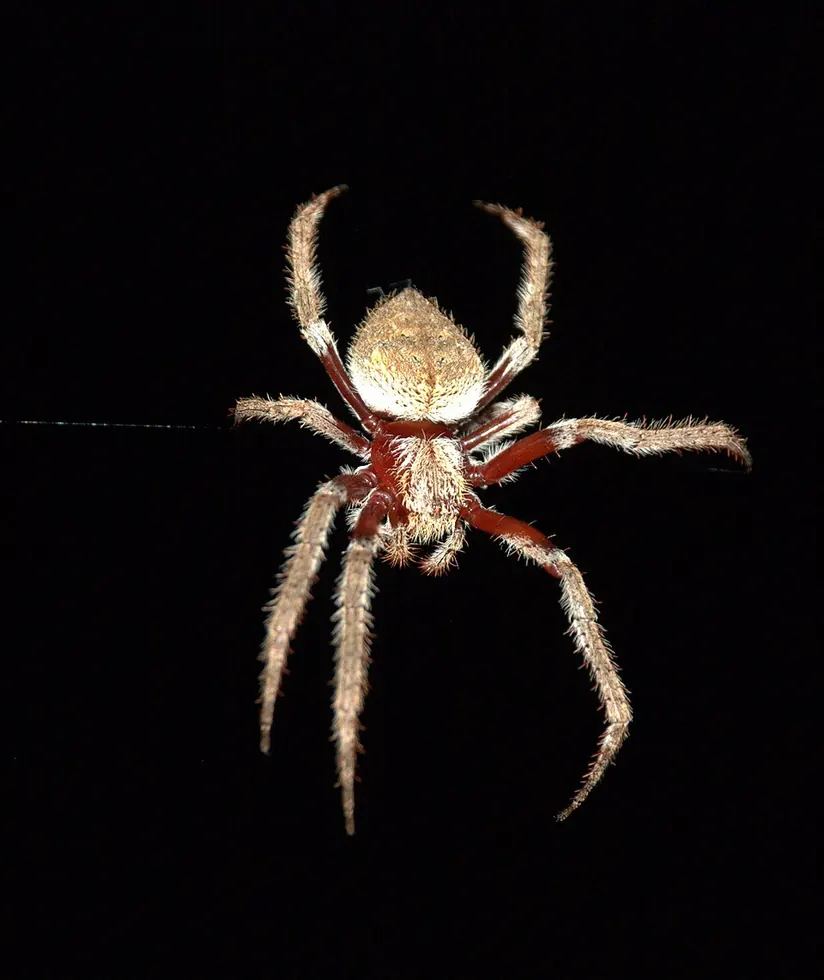
Heavy-bodied Australian garden orb-weaver with two rear abdominal bumps, banded legs and a round night web in shrubs or garden edges.

Usually low riskReviewed and updated 2026-04-29
Size20c to 50c body
Colours / marksBrown, Grey, Orange, Black or very dark, Patterned
Web clueRound orb web
Usually foundGarden shrubs, verandah edges, fences, parks, woodland edges, coastal scrub and treed or shrubby habitats across much of southern and eastern Australia, with records also from Western Australia and Queensland.

First aid / what to do now

  1. Move away from the spider and avoid handling it.
  2. Wash the bite area with soap and water.
  3. Use a cold pack for pain or swelling.
  4. Call 13 11 26 or seek medical advice if symptoms are severe, spreading, infected-looking, allergic, or you are unsure what bit you.

This site cannot diagnose a bite. In an emergency call 000. For poisoning advice in Australia call 13 11 26.

How to identify the Knobbled garden orb-weaver

  • Heavy-bodied garden orb-weaver with a rounded abdomen
  • Two small knobs or humps near the rear of the abdomen can be visible in good photos
  • Brown, grey, reddish or mottled patterning with banded legs
  • Often builds a round night web in shrubs, garden plants, verandahs, fences or woodland edges

Danger level

Usually low risk

What to check next

Check the web and body shape first: this spider should be in or near a round orb web, usually at night. Look for a chunky abdomen, banded legs and the paired rear knobs. Compare with garden orb-weavers, humped golden orb-weavers and sooty orb-weavers if the body bumps or web setting are unclear.

When to seek medical help

This spider is not usually considered dangerous. Avoid handling it and seek medical advice for severe pain, allergic symptoms, infection signs, spreading symptoms or uncertainty after any bite.

Where the Knobbled garden orb-weaver is usually seen in Australia

Garden shrubs, verandah edges, fences, parks, woodland edges, coastal scrub and treed or shrubby habitats across much of southern and eastern Australia, with records also from Western Australia and Queensland.

How it differs from lookalikes

These comparisons are clues, not a confirmed species ID. Use several features together: body shape, size, location, web type and behaviour.

  • Heroic orb-weaver / lichen spiderMay overlap because of same region, similar size, similar colour. For this spider, check: Check the web and body shape first: this spider should be in or near a round orb web, usually at night. Look for a chunky abdomen, banded legs and the paired rear knobs. Compare with garden orb-weavers, humped golden orb-weavers and sooty orb-weavers if the body bumps or web setting are unclear. For the other possibility, check: Check whether it has a robust orb-weaver shape and mottled camouflage rather than a flat huntsman body or a burrow-dwelling spider. Compare with garden orb-weavers and spiny spiders.
  • Banded garden spiderMay overlap because of same region, similar size, similar colour. For this spider, check: Check the web and body shape first: this spider should be in or near a round orb web, usually at night. Look for a chunky abdomen, banded legs and the paired rear knobs. Compare with garden orb-weavers, humped golden orb-weavers and sooty orb-weavers if the body bumps or web setting are unclear. For the other possibility, check: Check for a neat orb web, banded abdomen and garden or grassland setting. Compare with St Andrew's cross spiders and other orb-weavers if the body markings are not clear.
  • Humped golden orb-weaving spiderMay overlap because of same region, similar size, similar colour. For this spider, check: Check the web and body shape first: this spider should be in or near a round orb web, usually at night. Look for a chunky abdomen, banded legs and the paired rear knobs. Compare with garden orb-weavers, humped golden orb-weavers and sooty orb-weavers if the body bumps or web setting are unclear. For the other possibility, check: Check for the large golden orb web, eastern Australian location, silvery to plum body and yellow-banded legs. Compare with Australian golden orb-weavers and garden orb-weavers if the web colour or leg banding is unclear.

Common comparisons

People often compare this spider with similar Australian spiders. These quick links help you check the closest alternatives.

Compare this spider by state

Use the state guides to compare this spider with other local possibilities.

Next useful checks

Still trying to identify this spider?

Use these quick paths if the Knobbled garden orb-weaver is only one possible match. They help compare photo clues, local spider pages, bite guidance and similar Australian spiders.

Reference notes

How this guide stays cautious

Spider Identifier Australia uses visible clues to suggest likely possibilities. It is not a medical diagnosis or a formal species determination.

Common questions

Knobbled garden orb-weaver FAQ

Is the Knobbled garden orb-weaver dangerous?

Danger level: Usually low risk. This spider is not usually considered dangerous. Avoid handling it and seek medical advice for severe pain, allergic symptoms, infection signs, spreading symptoms or uncertainty after any bite.

How do I identify the Knobbled garden orb-weaver?

Check the visible body shape, size, colour, markings, location and web or hiding place. Key clues include: Heavy-bodied garden orb-weaver with a rounded abdomen; Two small knobs or humps near the rear of the abdomen can be visible in good photos; Brown, grey, reddish or mottled patterning with banded legs; Often builds a round night web in shrubs, garden plants, verandahs, fences or woodland edges.

What should I do if I think I was bitten by a Knobbled garden orb-weaver?

Clean the area, use a cold pack for pain, and seek medical advice if pain is severe, symptoms spread, infection signs appear, or you are unsure what bit you.

Where is the Knobbled garden orb-weaver usually found?

Garden shrubs, verandah edges, fences, parks, woodland edges, coastal scrub and treed or shrubby habitats across much of southern and eastern Australia, with records also from Western Australia and Queensland.

What spiders look similar to the Knobbled garden orb-weaver?

Common lookalikes can overlap in colour, size, web type or habitat. Use the similar spiders and common comparisons on this page to check alternatives before settling on a match.

Can I identify the Knobbled garden orb-weaver by photo?

A photo can help if it shows the whole spider, markings, size and where it was found. For the Knobbled garden orb-weaver, also compare the checklist clues and what to check next rather than relying on colour alone.