
Identify spiders in Western Australia
Western Australia spider identification guide
Identify spiders in Western Australia by comparing likely local spiders, including dangerous possibilities, common house spiders, garden spiders, web builders and ground hunters.
Common questions
Helpful spider ID guides
WA spider guide
Dangerous or medically significant spiders to check first
These Western Australia spider possibilities deserve extra caution, especially if a bite has occurred or symptoms are developing.
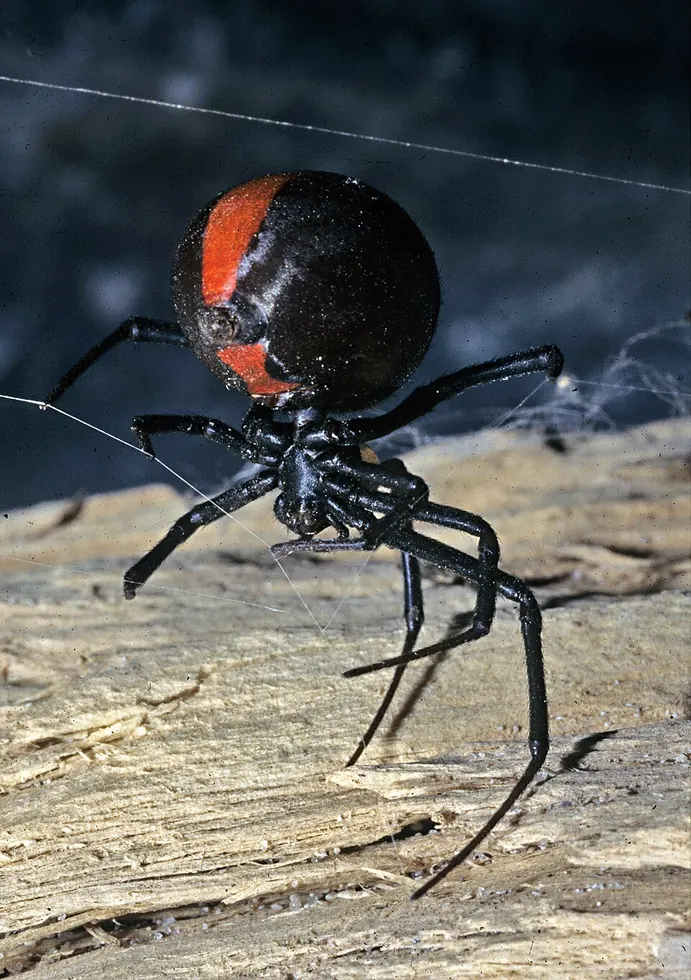 Medically significantRedback spiderSmall black spider, usually female, with a red stripe or hourglass marking and a messy web in dry sheltered places.
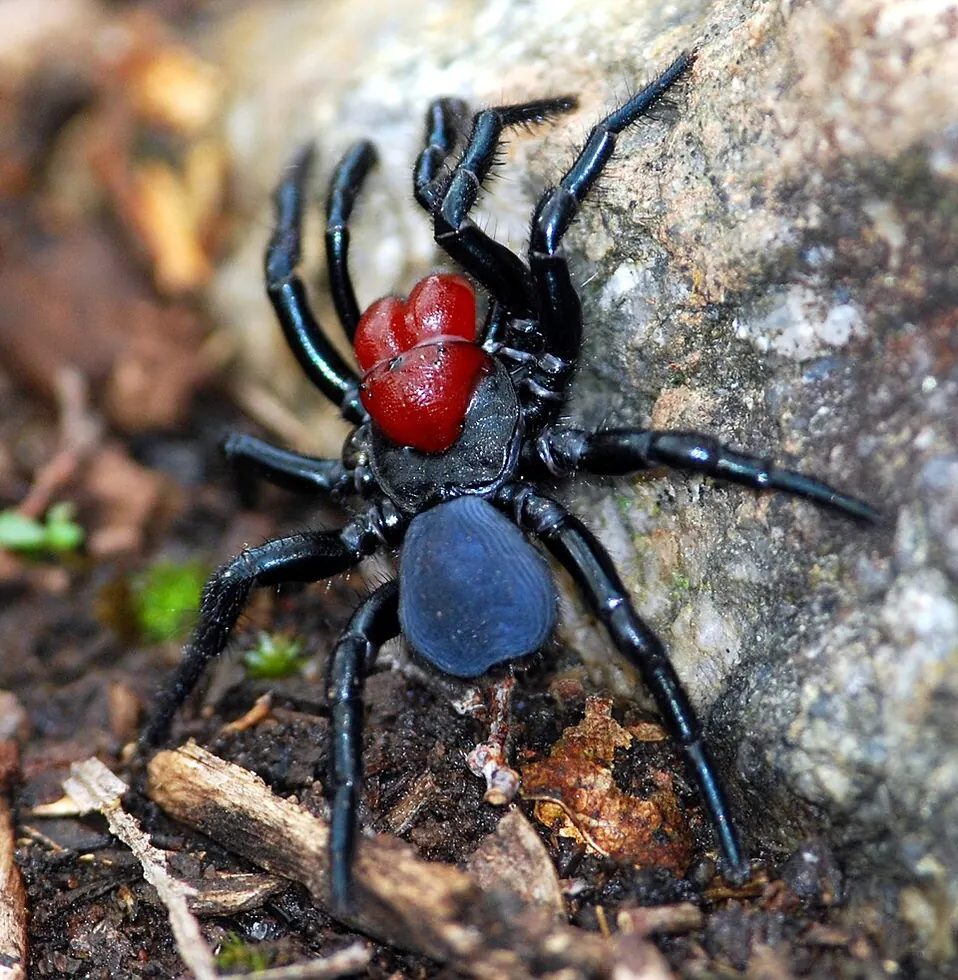 Medically significantMouse spiderStocky ground spider; males may have a red head or pale patch depending on species, and can be confused with funnel-webs.
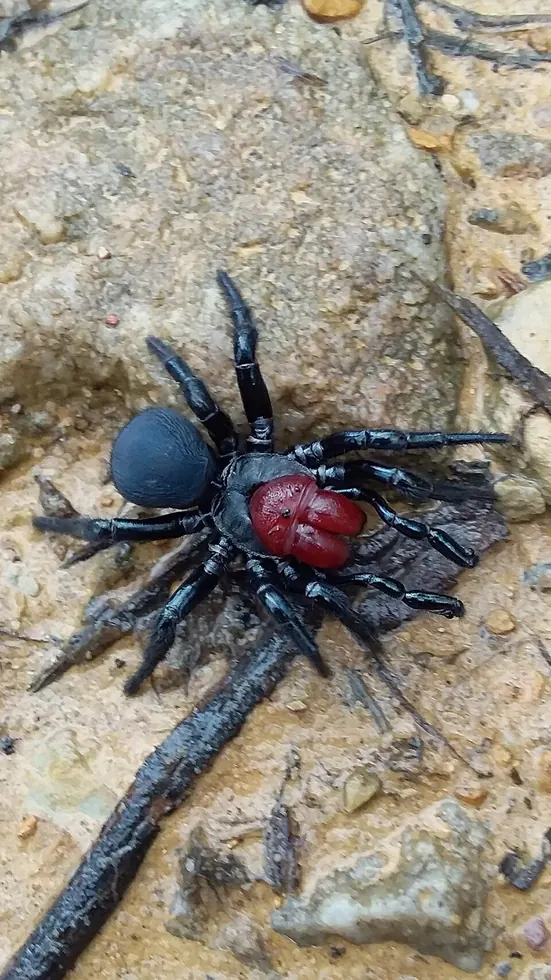 Medically significantRed-headed mouse spiderStocky mouse spider where males may show a reddish head or jaws, often found wandering on open ground.Medically significantBrown widow spiderIntroduced widow spider with a rounded brown patterned body and messy sheltered web, sometimes confused with redbacks.Medical emergency potentialNorthern mouse spiderRobust northern Australian mouse spider; males may show a broad yellowish-cream abdominal patch and can be confused with funnel-webs.
WA spider guide
Common spiders found in Western Australia
Compare common Western Australia spiders by appearance, web type, size and where they are usually found.
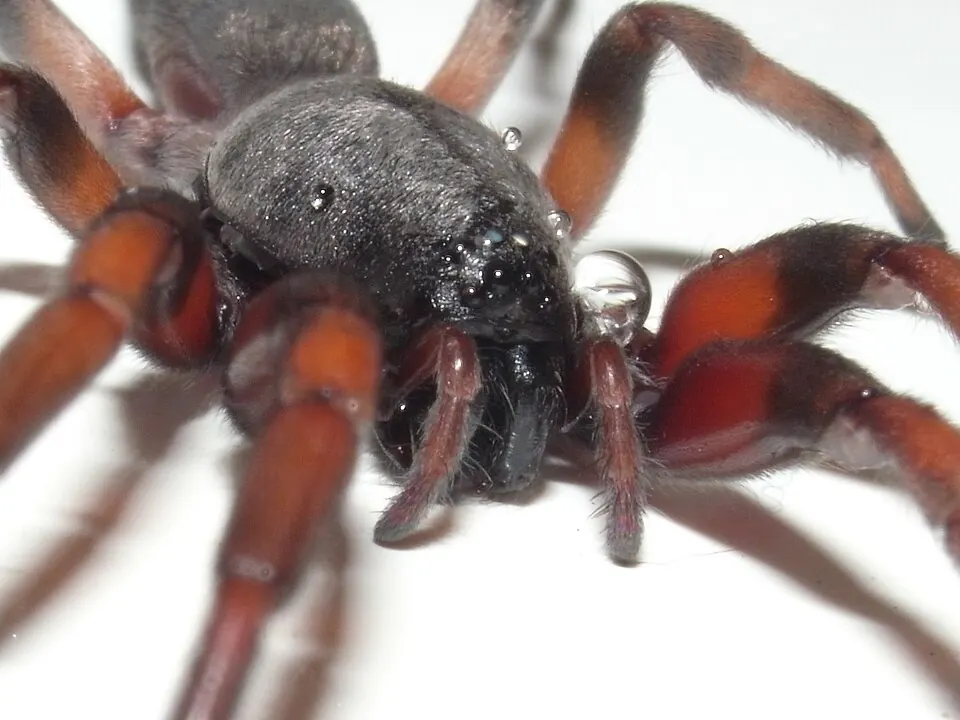 Painful but usually not life-threateningWhite-tailed spiderDark, cigar-shaped wandering spider with a pale spot at the tip of the abdomen, often seen indoors at night.
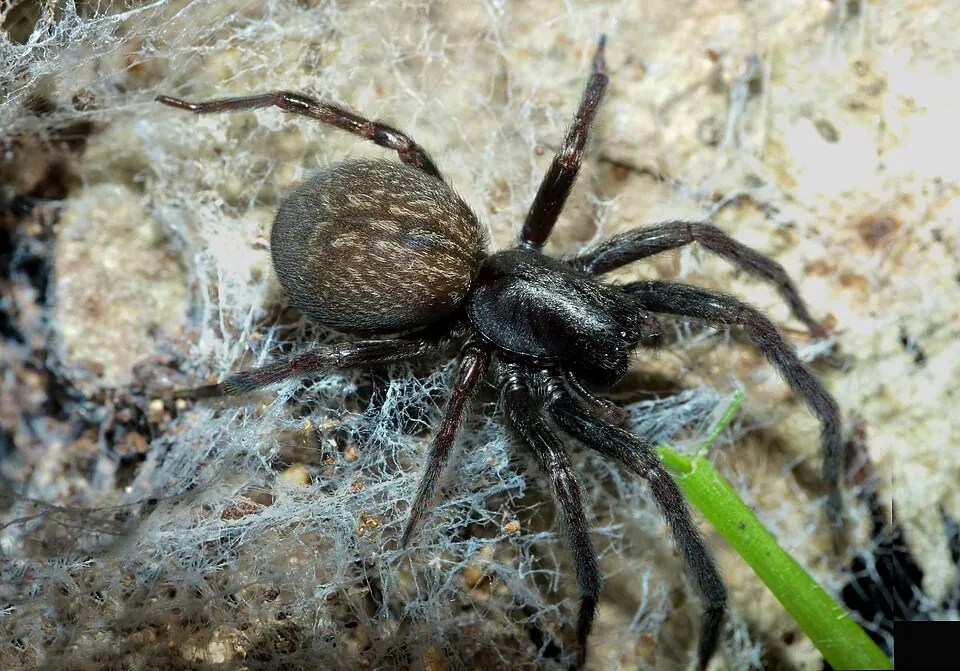 Usually low riskBlack house spiderDark, sturdy house spider that builds messy lace-like webs around windows, walls, fences and crevices.
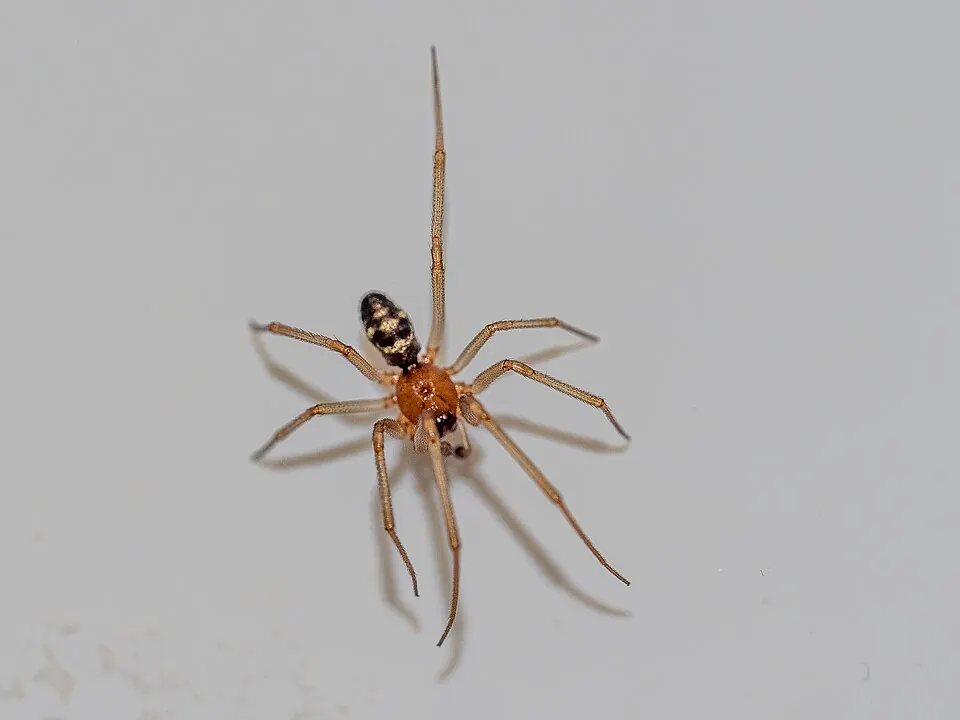 Usually low riskBrown house spider / cupboard spiderSmall brown comb-footed spider in messy indoor webs, sometimes confused with redbacks or false widows.
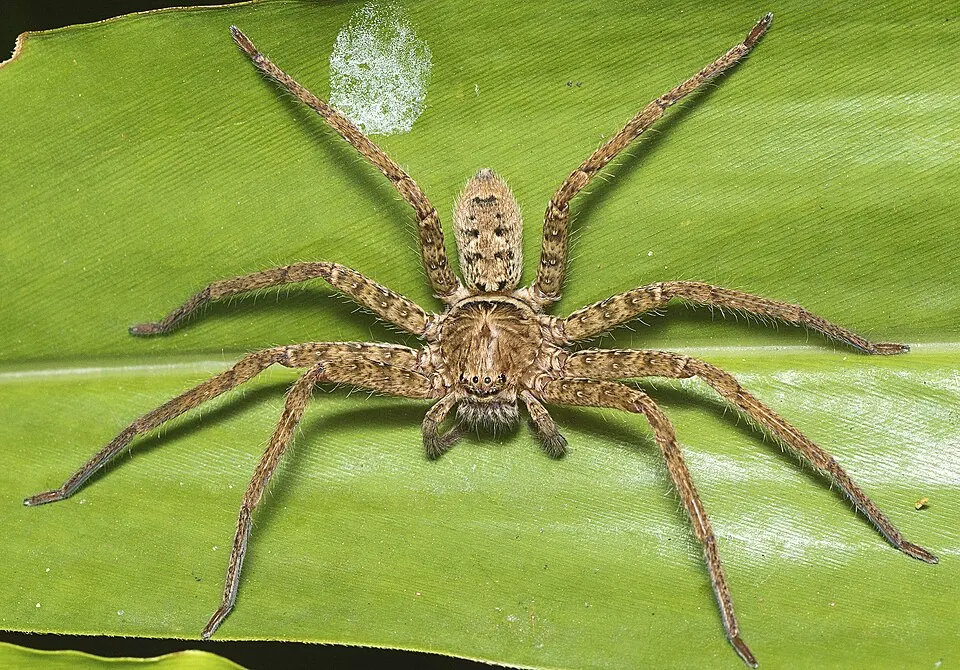 Usually low riskHuntsman spiderLarge, flat, long-legged spider often seen on walls, ceilings, tree bark and inside cars.
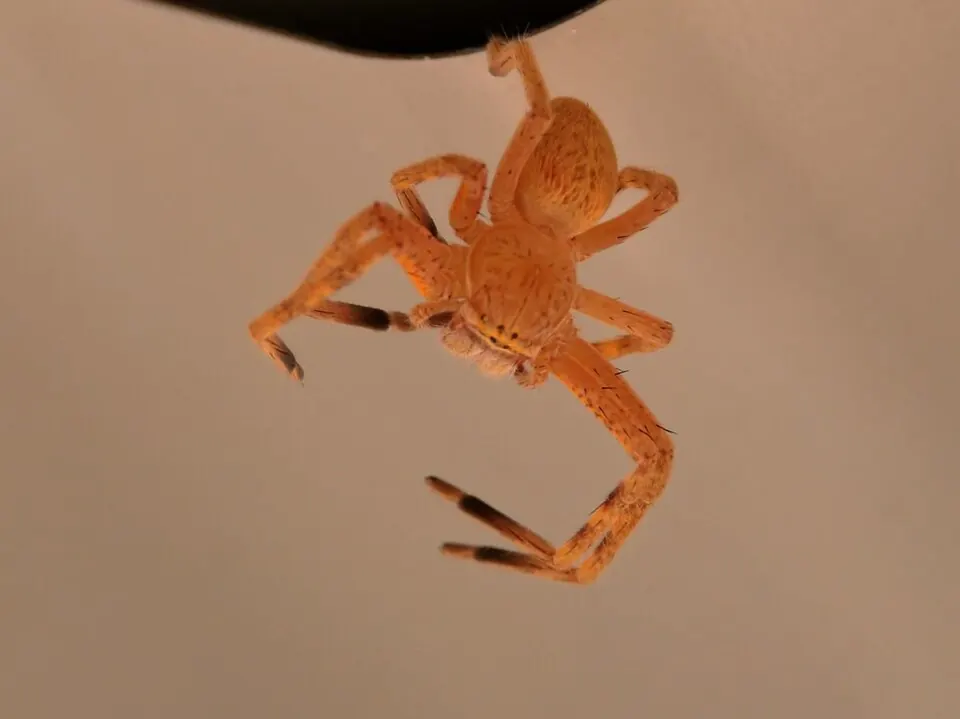 Painful but usually not life-threateningBadge huntsman spiderHuntsman-type spider with more distinct underside markings and a defensive colour display.
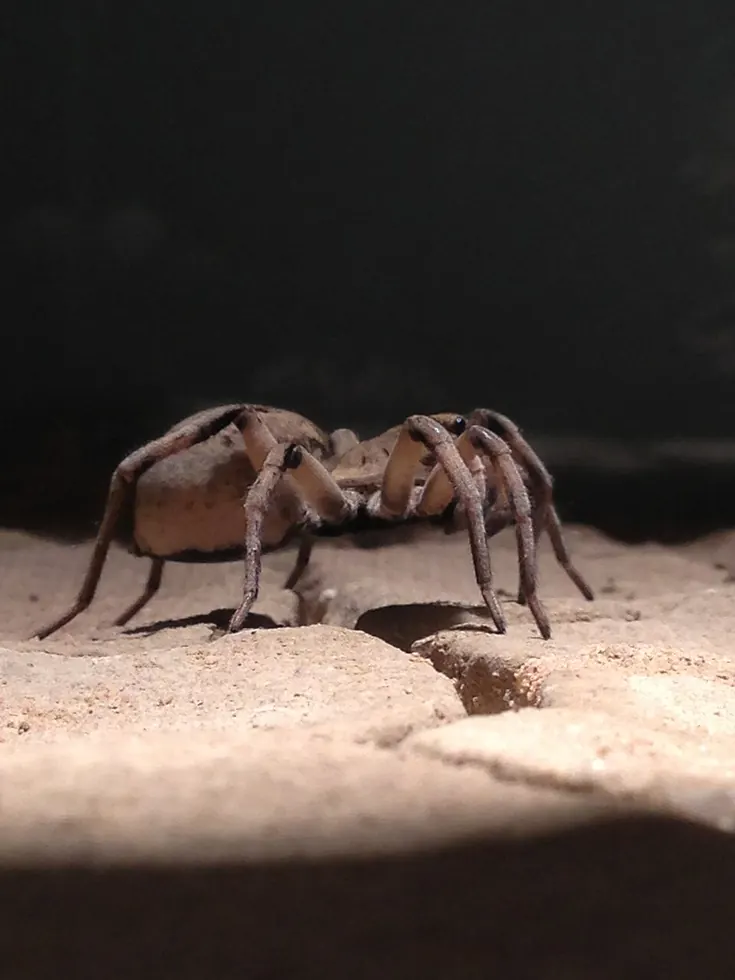 Painful but usually not life-threateningWolf spiderFast ground-running hunter, often mottled brown or grey, sometimes carrying an egg sac or spiderlings.
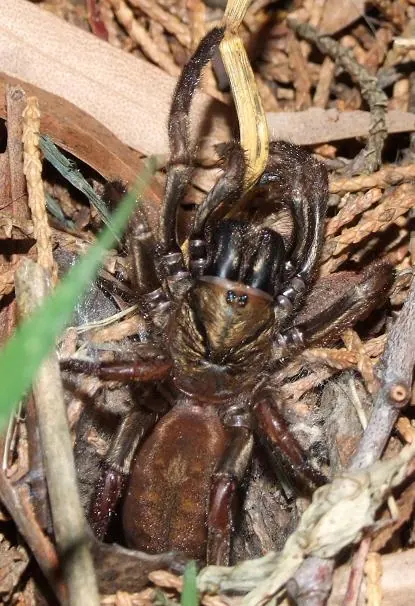 Painful but usually not life-threateningTrapdoor spiderStocky ground spider associated with burrows, often mistaken for funnel-webs when wandering.
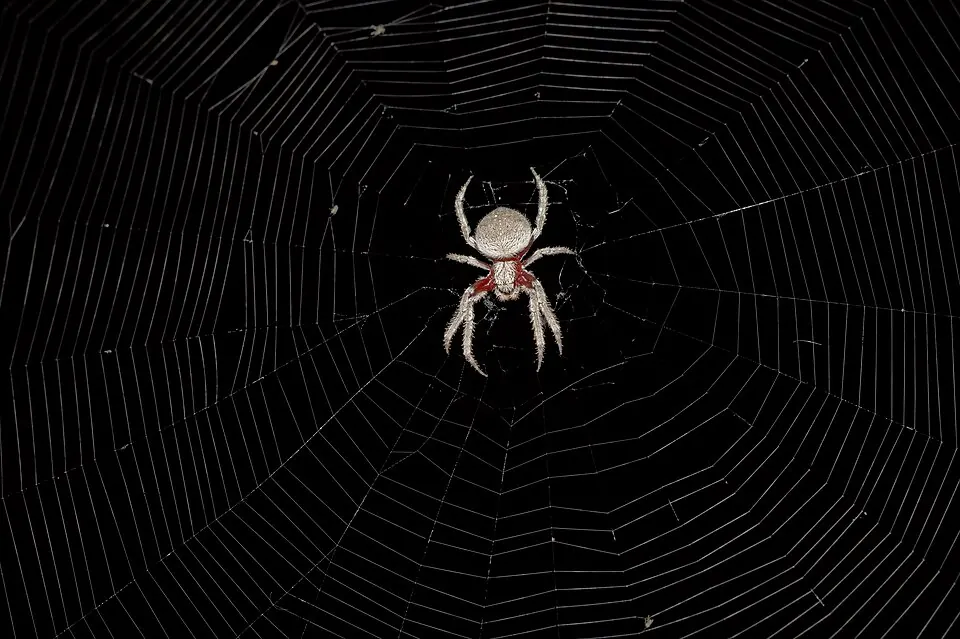 Usually low riskGarden orb-weaverRound-bodied spider that builds classic circular orb webs in gardens, especially at night.
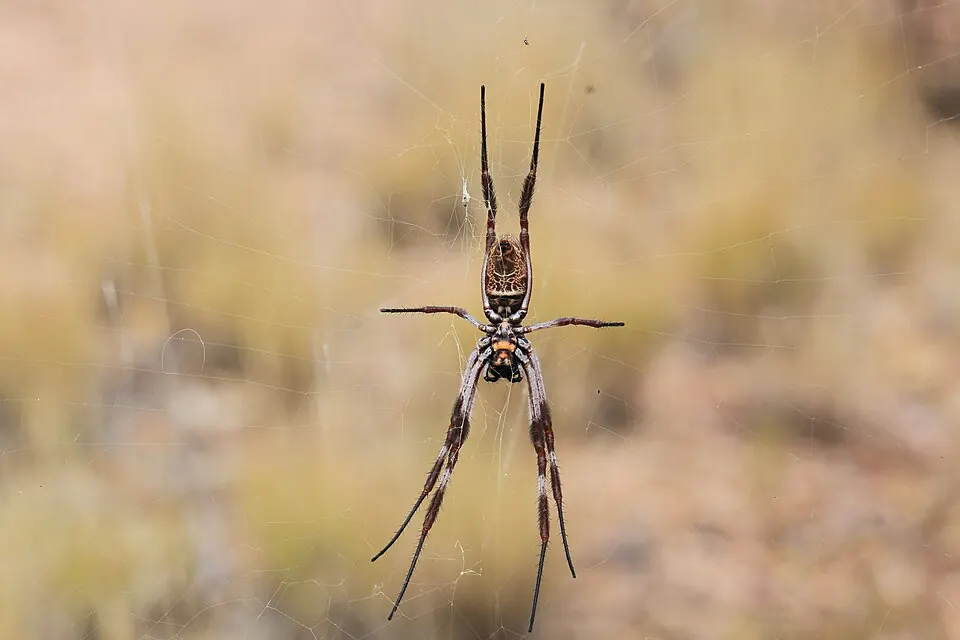 Usually low riskGolden orb-weaverLarge web-building spider with golden silk and long legs, often in warm Australian gardens and bushland.
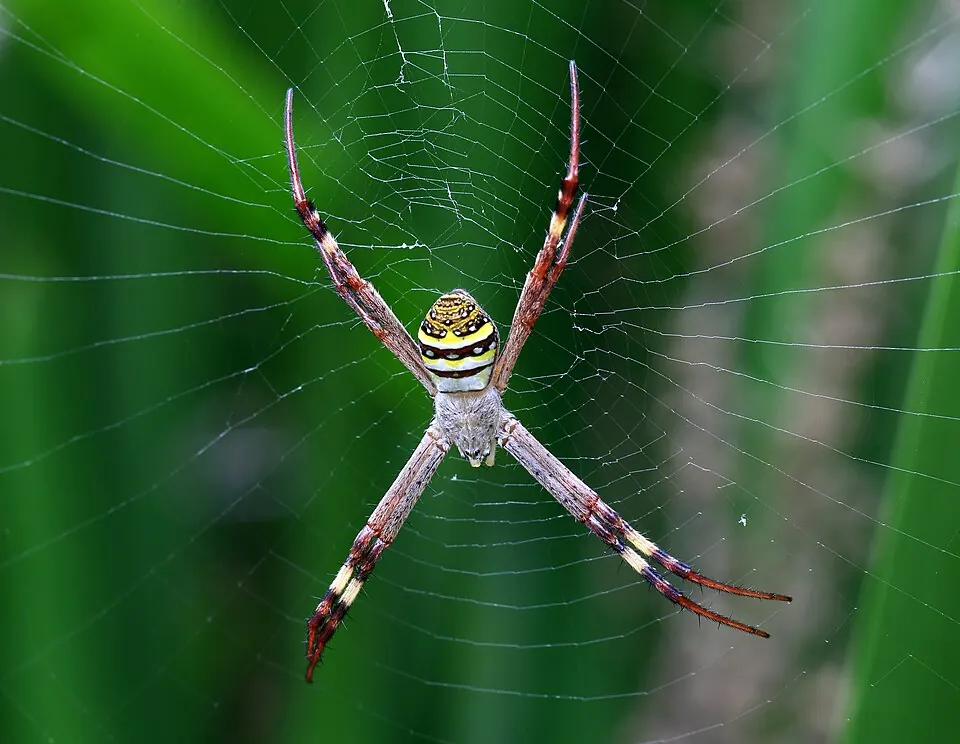 Usually low riskSt Andrew’s cross spiderColourful orb-weaver often sitting in an X shape in a web with zig-zag silk bands.
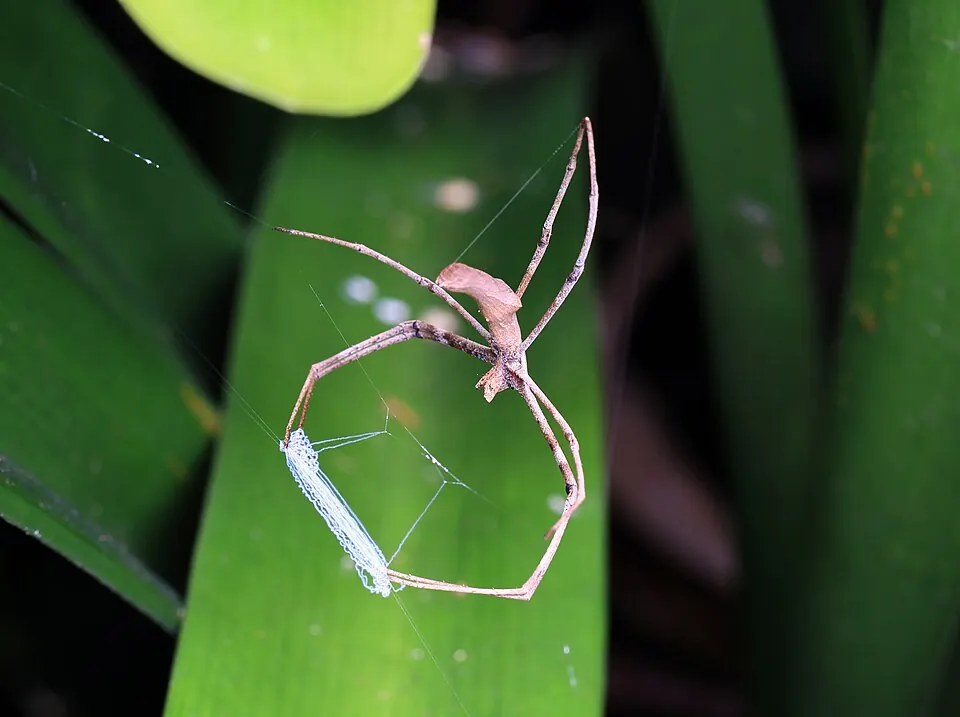 Usually low riskNet-casting spiderLong-legged spider with large eyes that holds a small net of silk to catch prey at night.
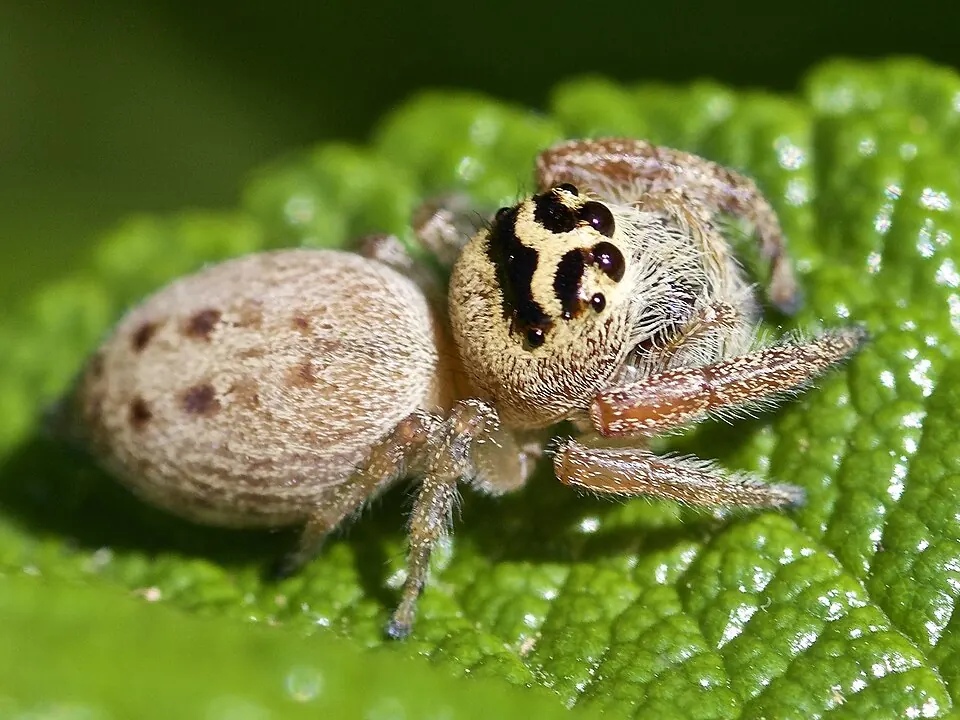 Usually low riskJumping spiderTiny to small active hunter with large front eyes and jerky jumping movement.
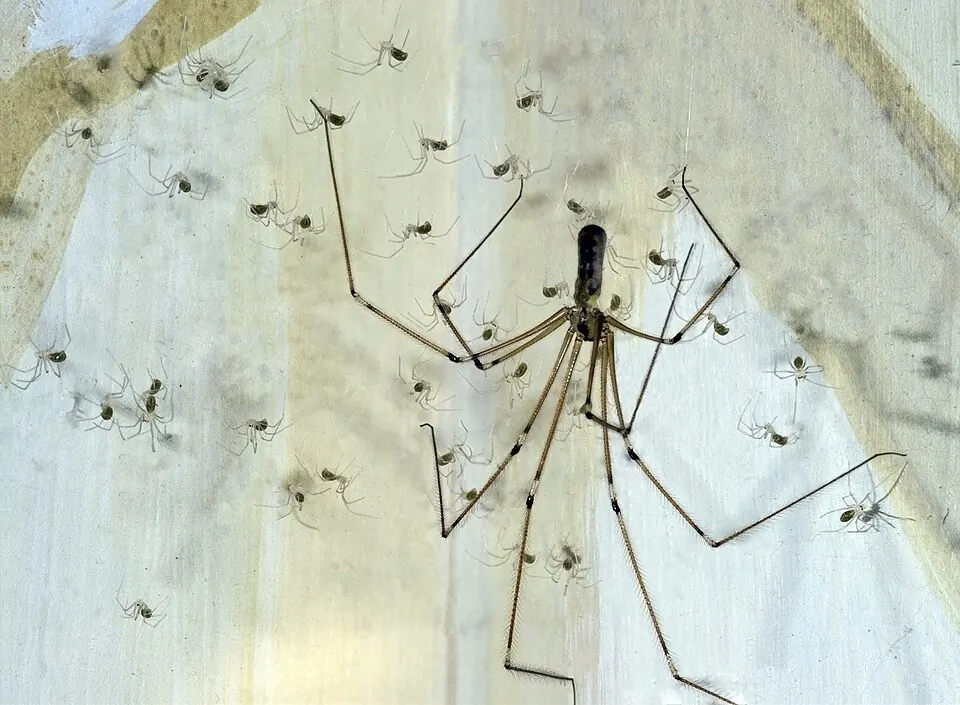 Usually low riskDaddy-long-legs spiderVery thin-legged indoor spider in loose corner webs, common in houses and garages.
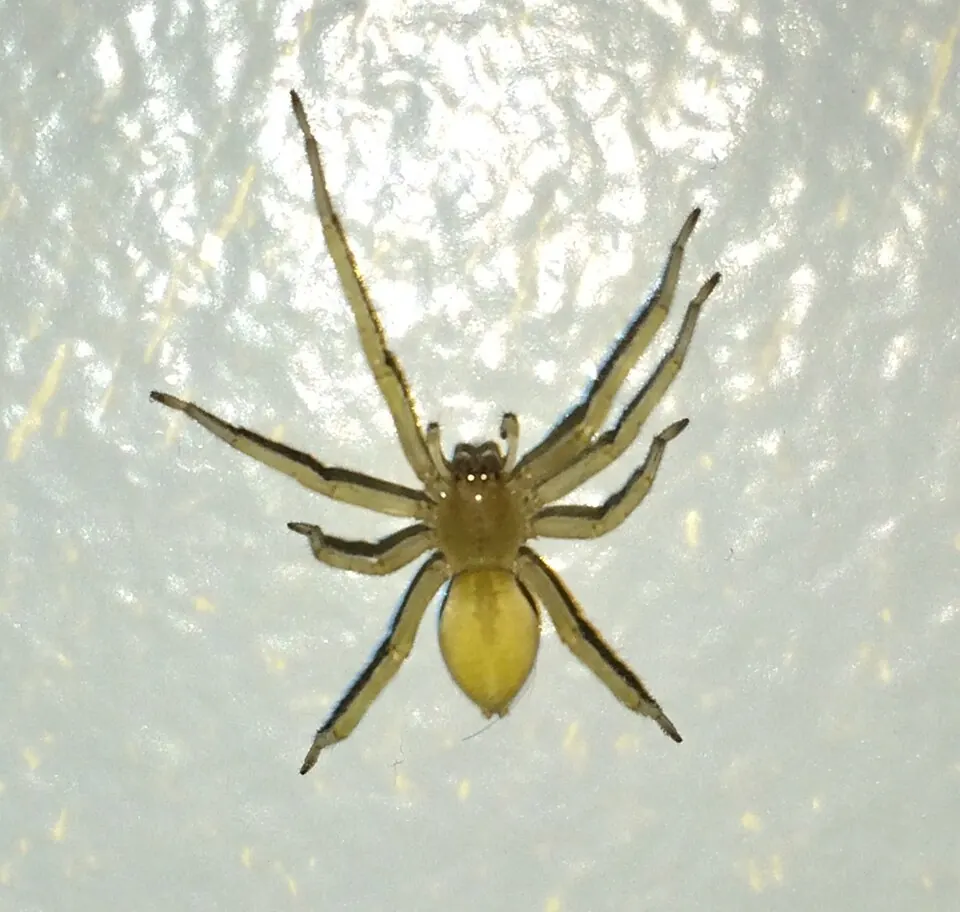 Painful but usually not life-threateningYellow sac spiderPale yellow or straw-coloured wandering spider that makes small silk retreats.
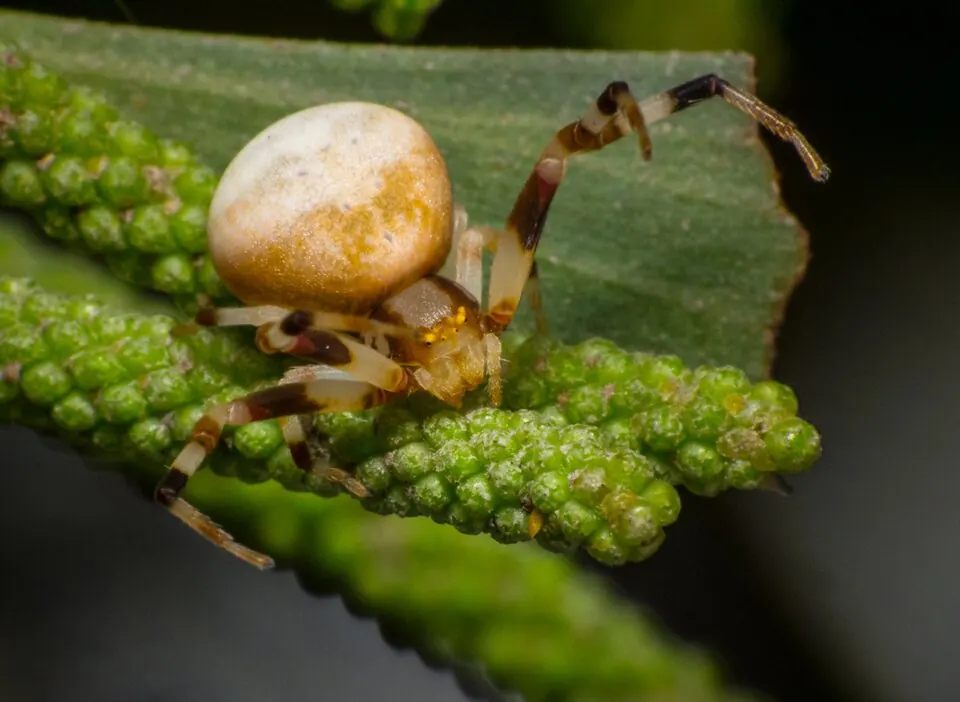 Usually low riskFlower spider / crab spiderSmall spider with crab-like sideways legs, often waiting on flowers or foliage.
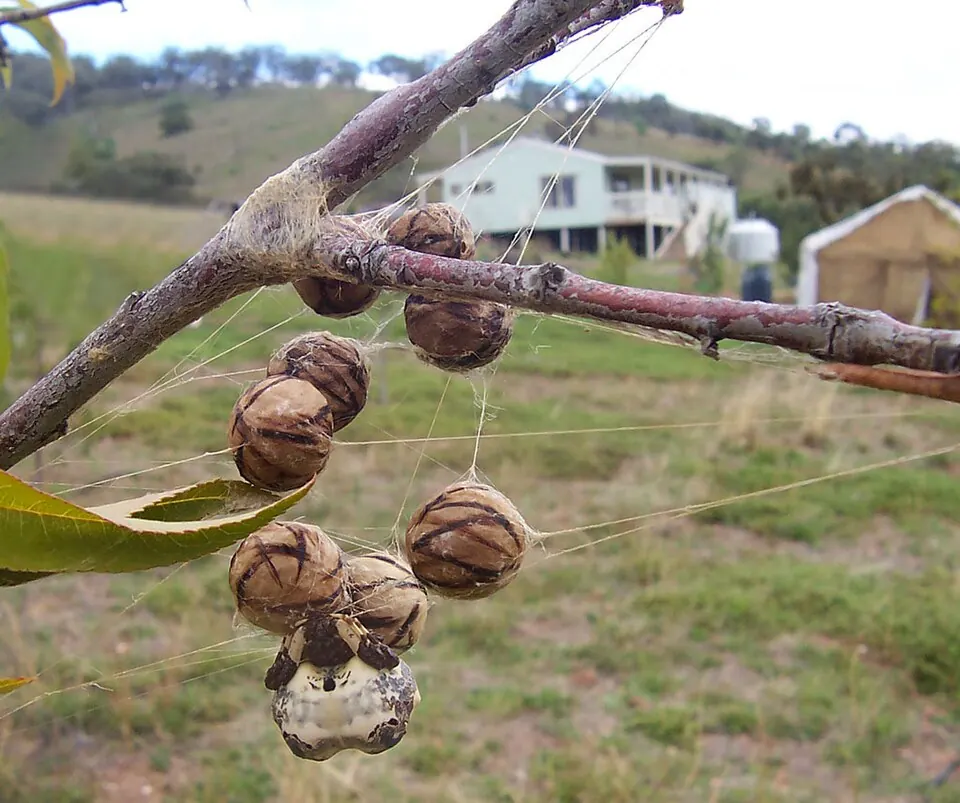 Usually low riskBird-dropping spiderCamouflaged orb-weaver relative that resembles a bird dropping when curled up.
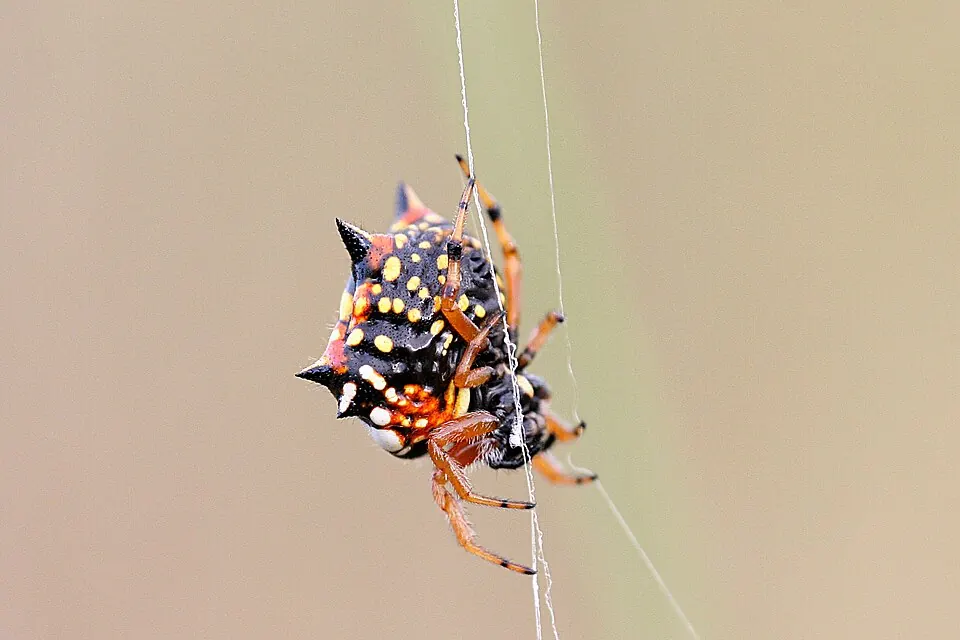 Usually low riskSpiny spiderSmall orb-weaver with a hard, spiny, brightly patterned abdomen in a small web.
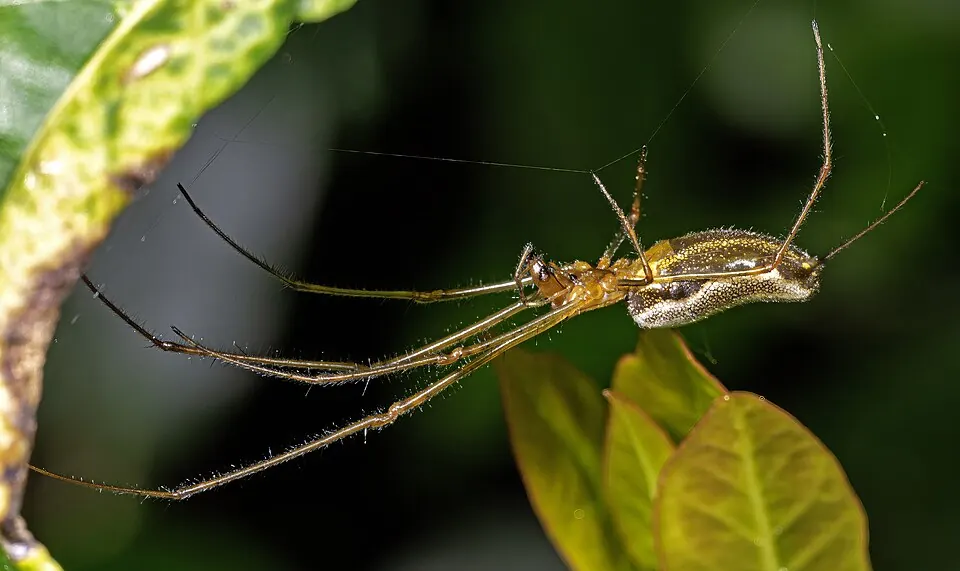 Usually low riskLong-jawed orb-weaverSlender long-legged orb-weaver often near water or vegetation, with an elongated body.
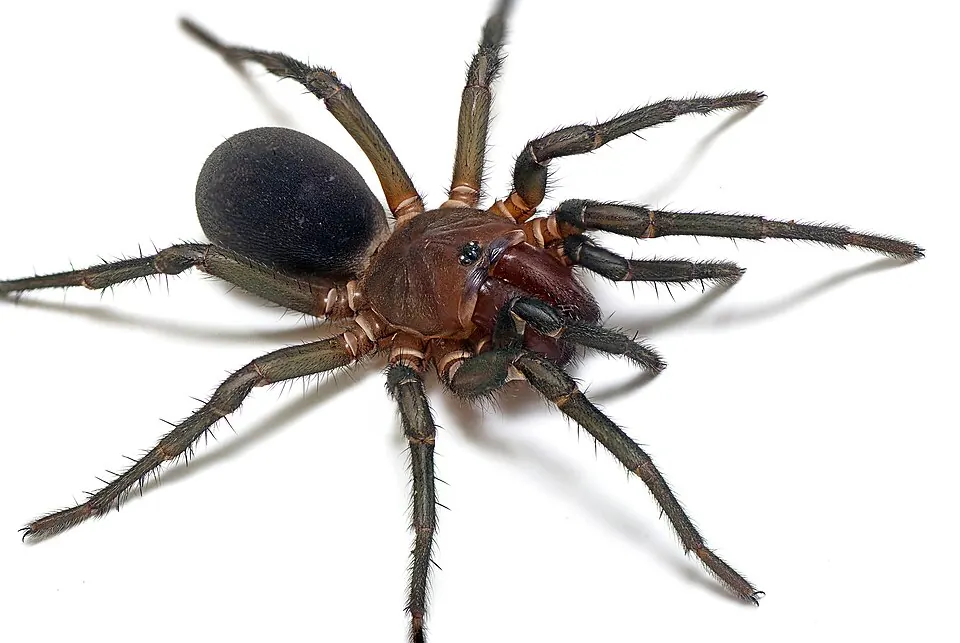 Painful but usually not life-threateningWishbone spiderDark burrow-associated mygalomorph often mistaken for a funnel-web or trapdoor spider.
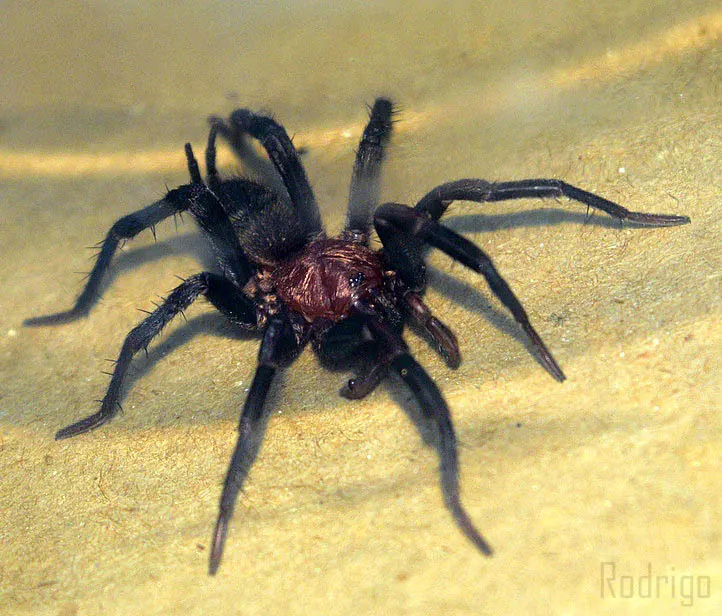 Painful but usually not life-threateningCurtain-web spiderDark mygalomorph spider associated with sheet-like or curtain-like silk retreats in sheltered places.
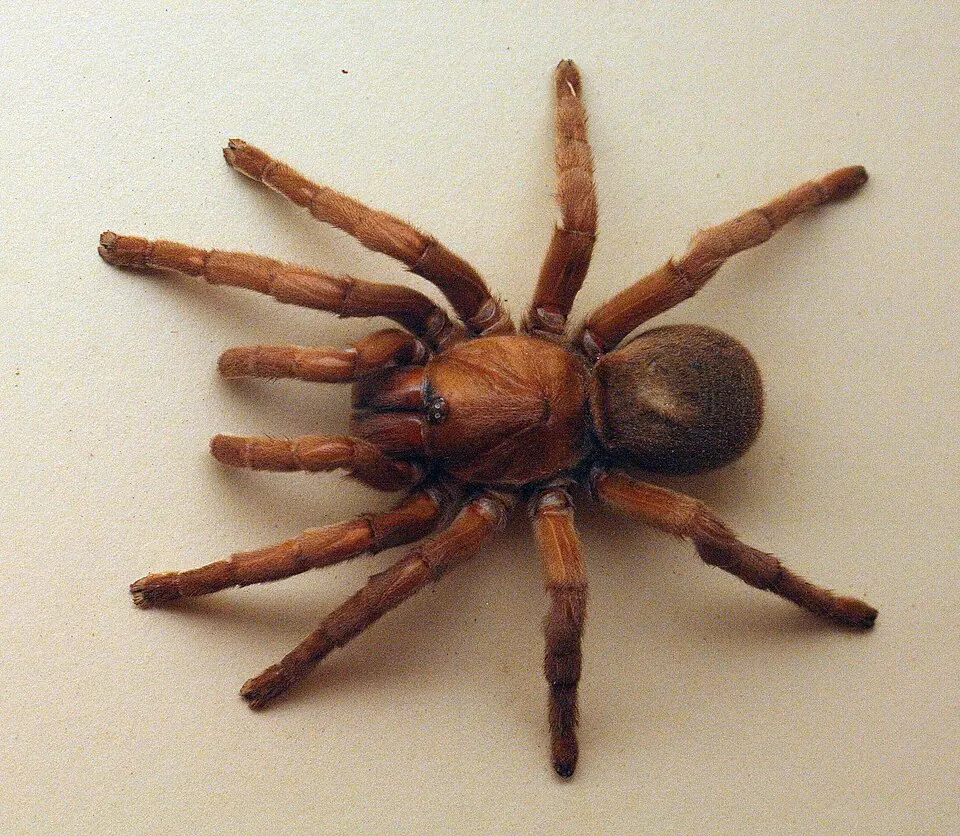 Painful but usually not life-threateningBrush-footed trapdoor spiderSturdy trapdoor-type spider linked with silk-lined burrows and often confused with other dark ground spiders.
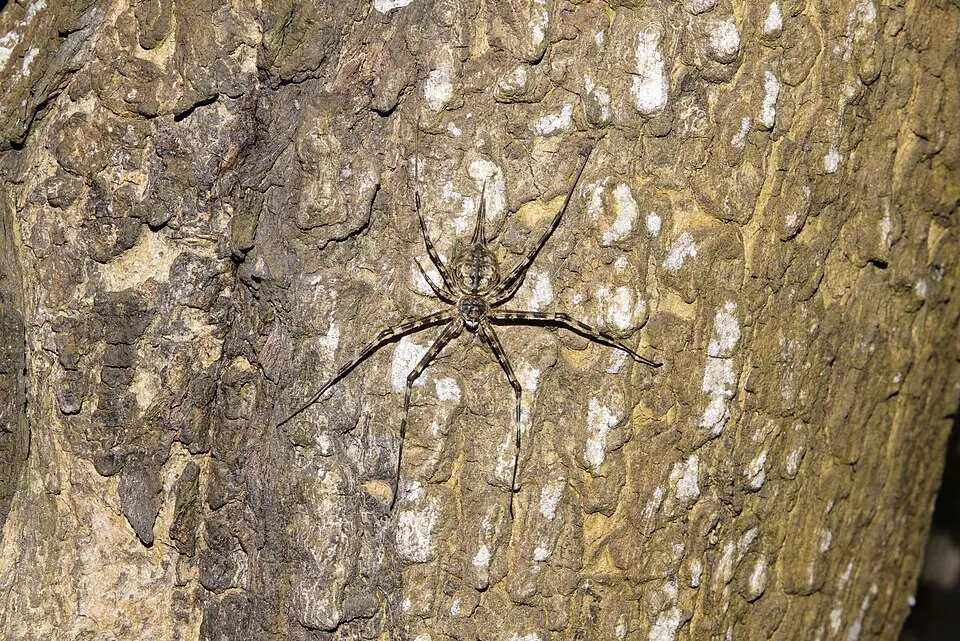 Usually low riskTwo-tailed spiderFlat bark-running spider with very long spinnerets that can look like two tails.
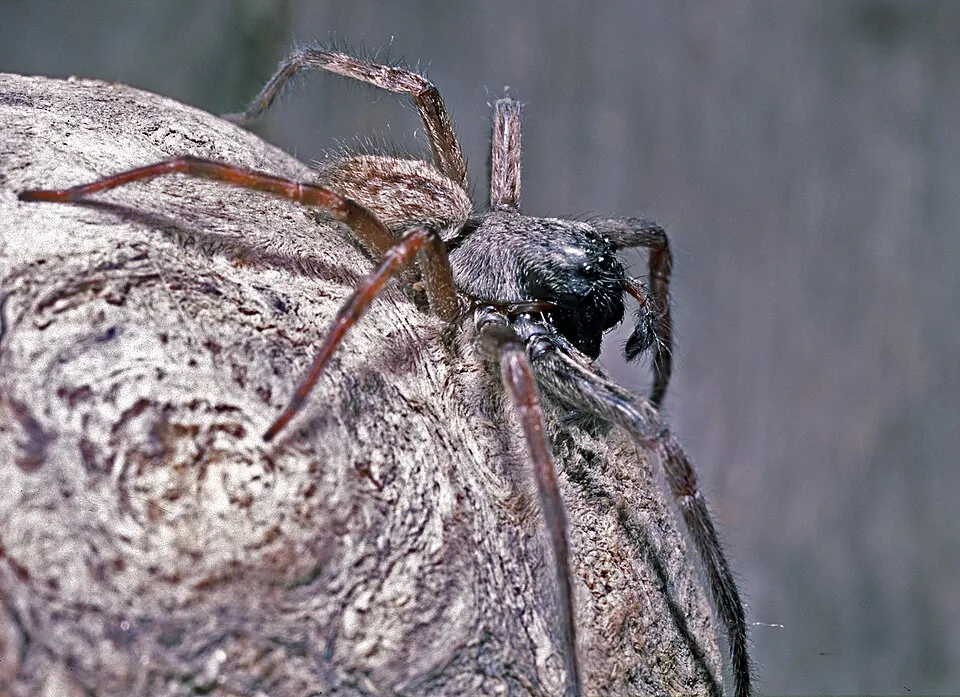 Usually low riskGrey house spiderGrey to brown house spider in messy retreat webs around windows, fences, walls and bark.
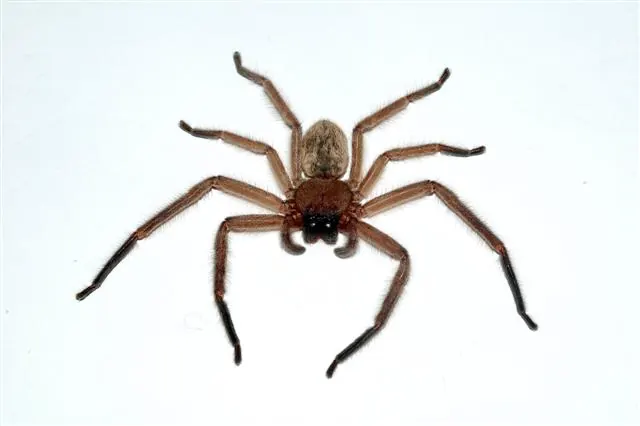 Usually low riskSocial huntsman spiderFlattened huntsman spider often found beneath bark or timber, sometimes in groups.
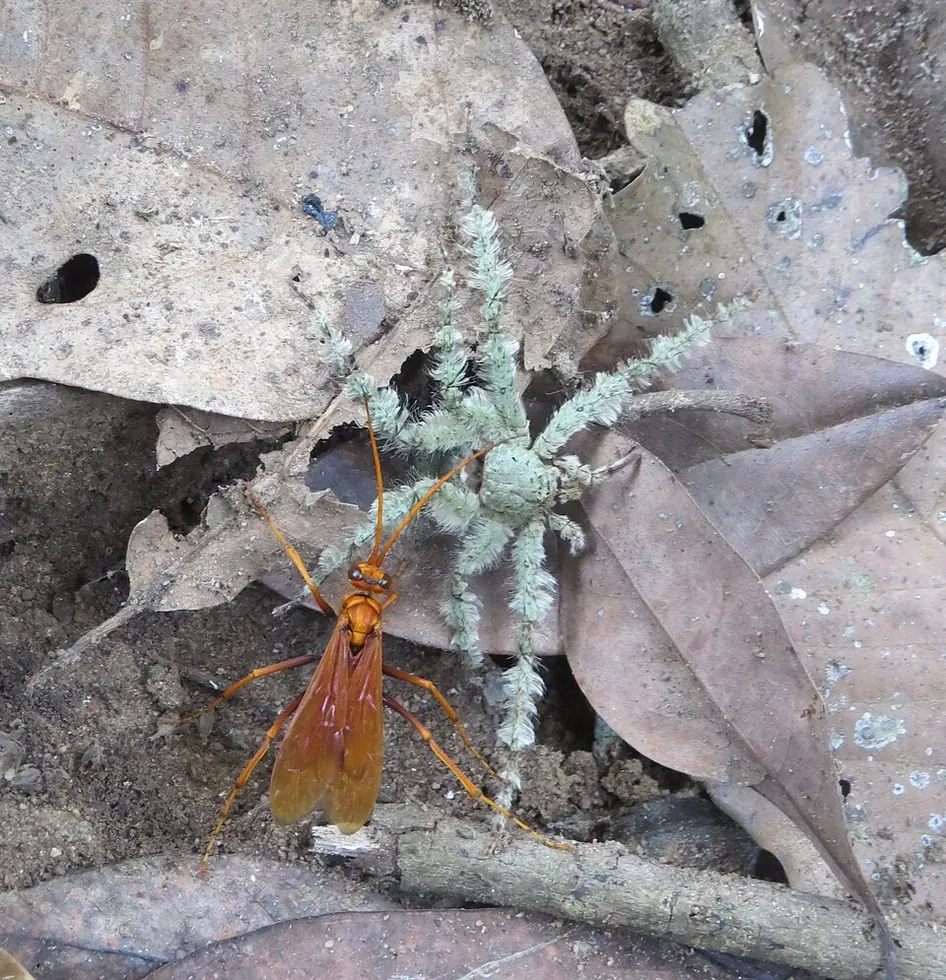 Usually low riskLichen huntsman spiderCamouflaged huntsman with mottled lichen-like patterning, usually seen on tree trunks or bark.
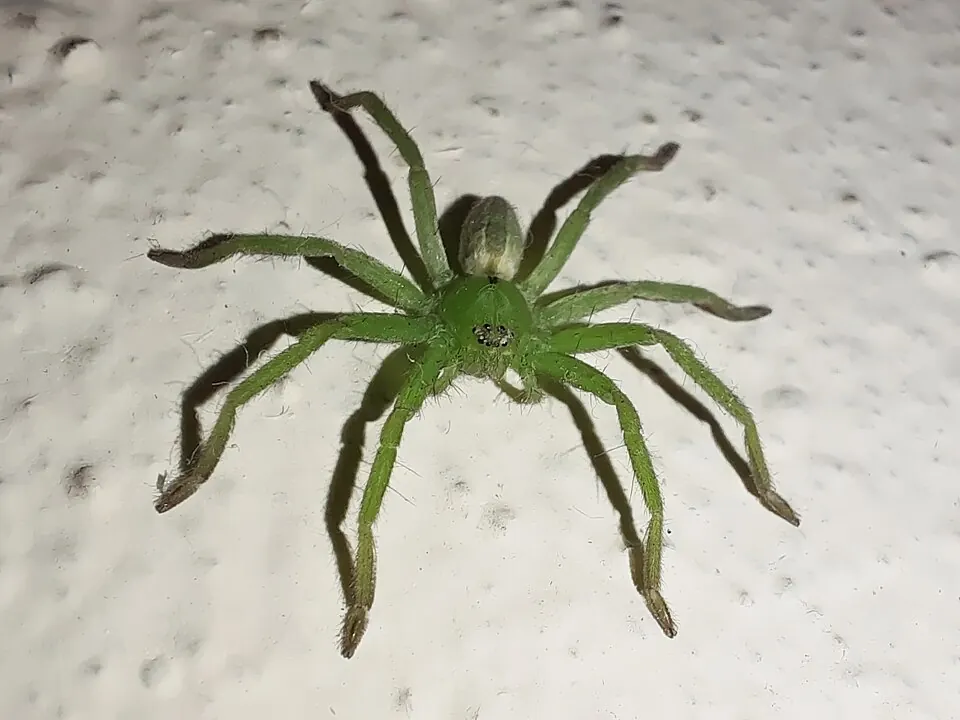 Usually low riskGreen huntsman spiderGreen or yellow-green huntsman-type spider often associated with foliage and warm garden habitat.
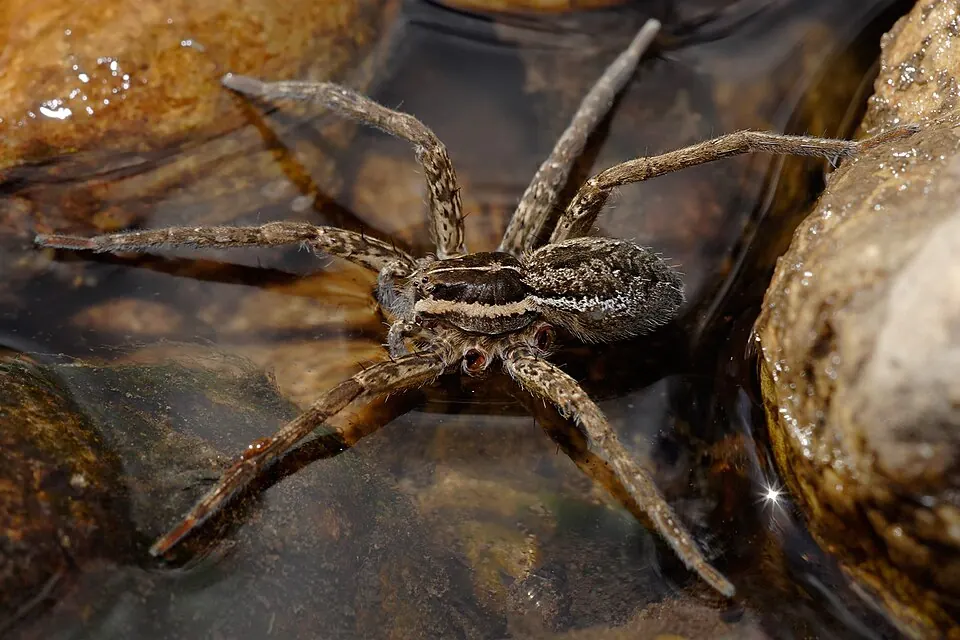 Usually low riskNursery web spiderLong-legged hunting spider where females may guard a silk nursery for spiderlings.
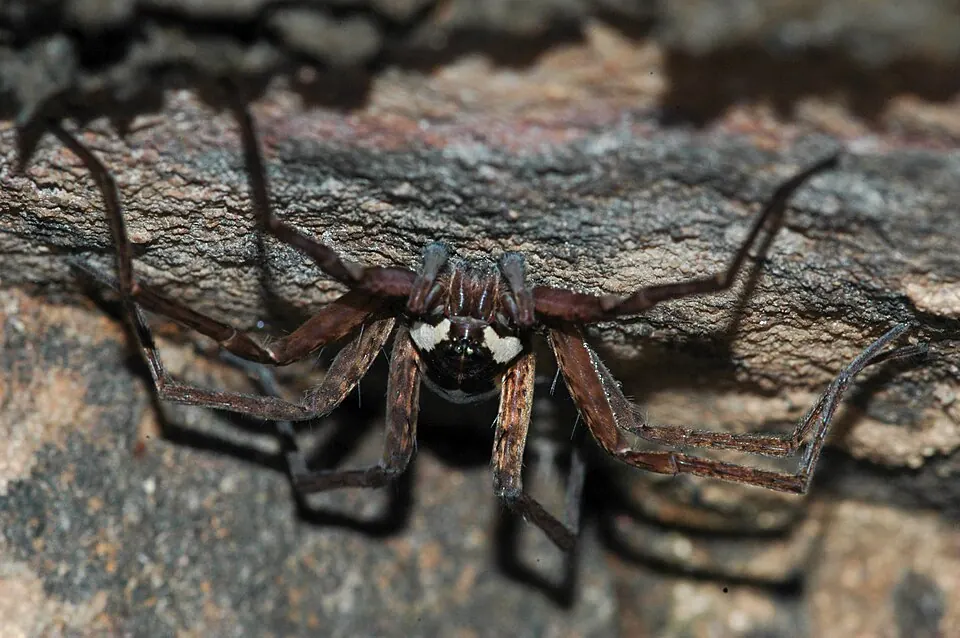 Usually low riskFishing spiderLarge long-legged spider often found near water, capable of moving across the water surface.
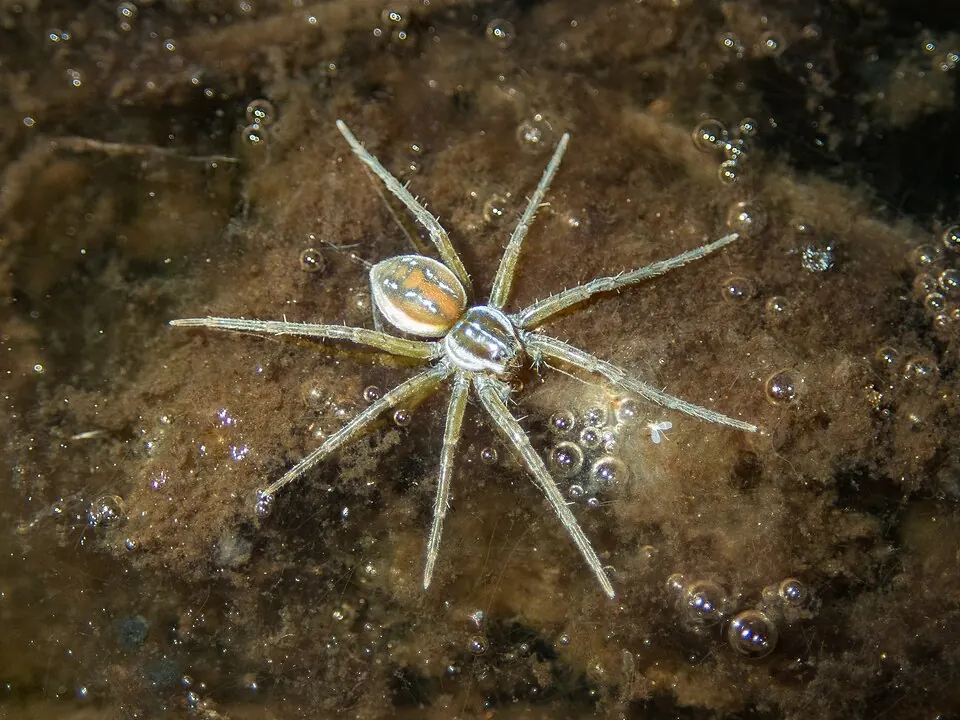 Usually low riskClever fishing spiderMedium to large Australian fishing spider found around creeks, streams, freshwater lakes and waterside vegetation.
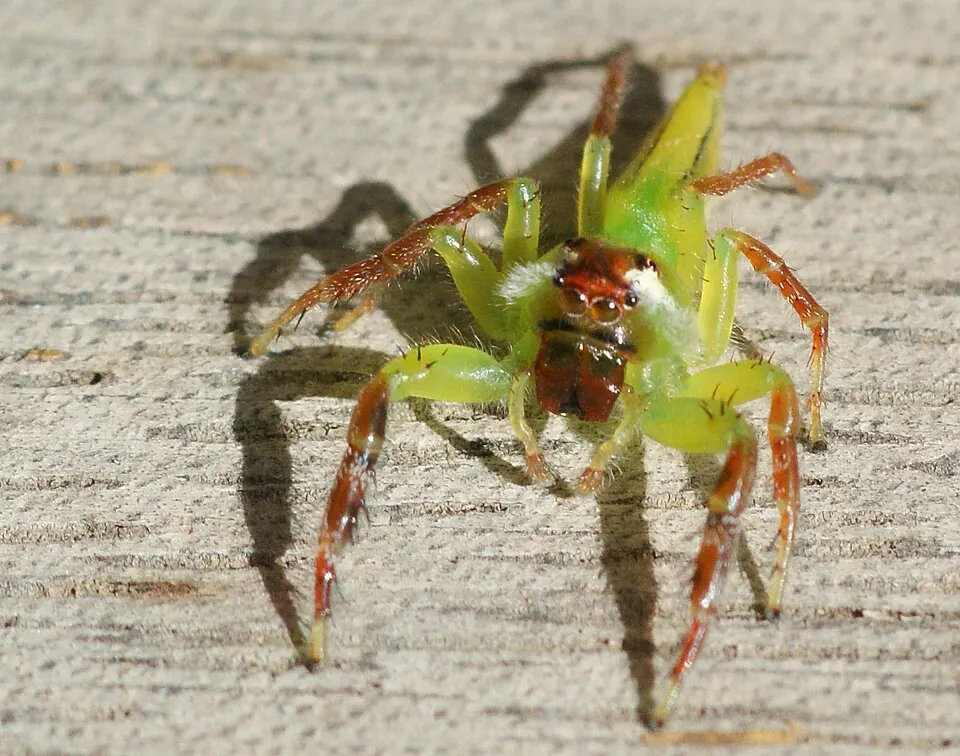 Usually low riskGreen jumping spiderSmall bright green jumping spider with large front eyes and active daytime hunting behaviour.
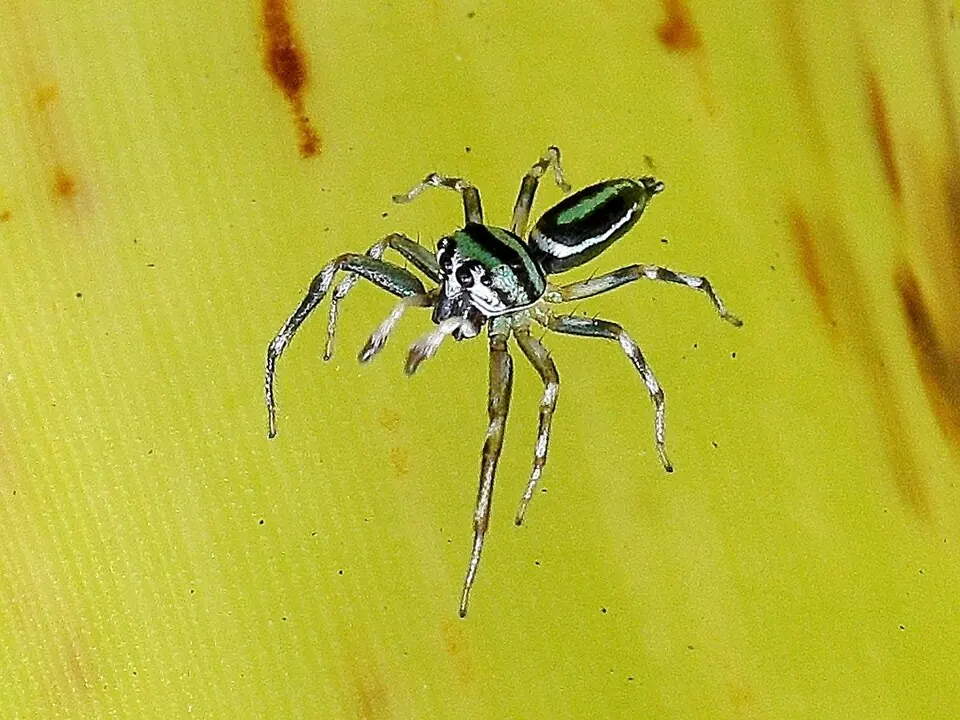 Usually low riskSparkling northern jumping spiderSmall iridescent jumping spider from northern Australia, often blue, silver, black or bronze, seen on plants and sunny walls.
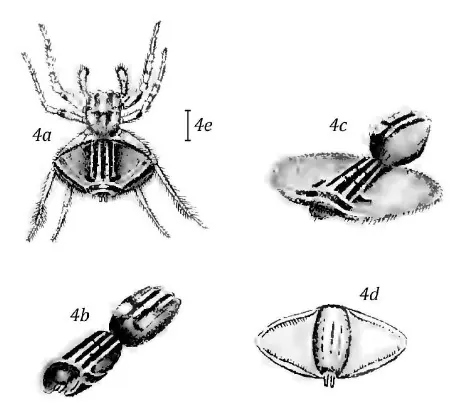 Usually low riskPeacock spiderTiny colourful jumping spider, with males known for bright display patterns and courtship dances.
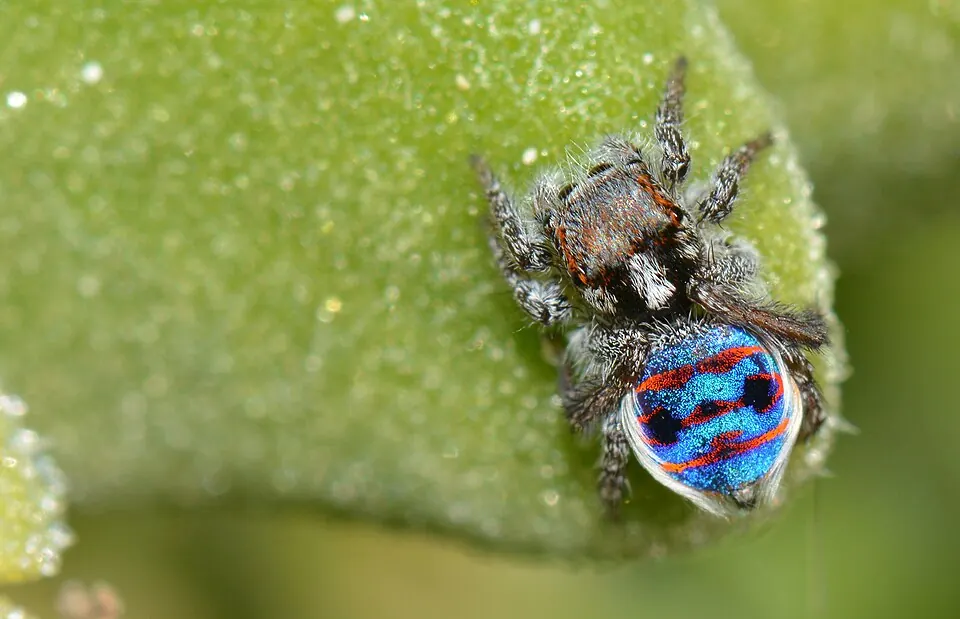 Usually low riskCoastal peacock spiderTiny Western Australian peacock spider from coastal dune vegetation, with males showing orange fan fringes during display.
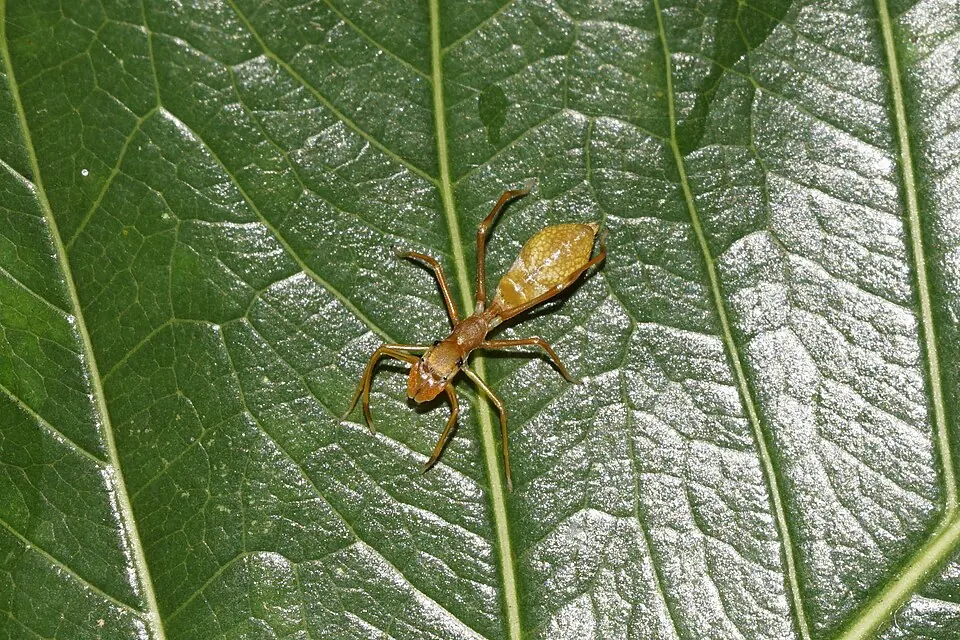 Usually low riskAnt-mimic spiderSmall spider that resembles an ant, often with a narrow body and quick ant-like movement.
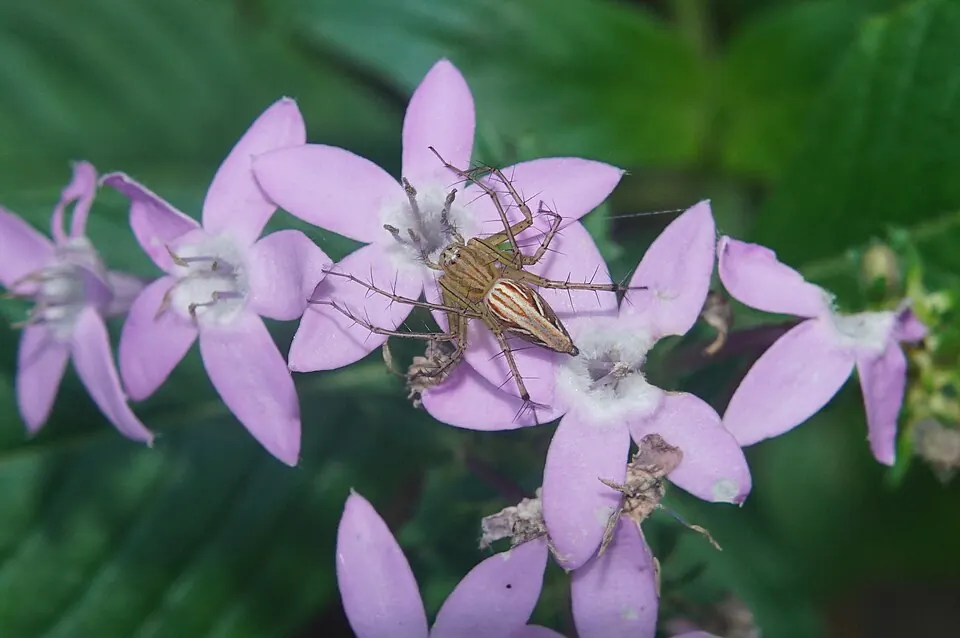 Usually low riskLynx spiderSpiny-legged active hunter often found on leaves, flowers and shrubs in gardens.
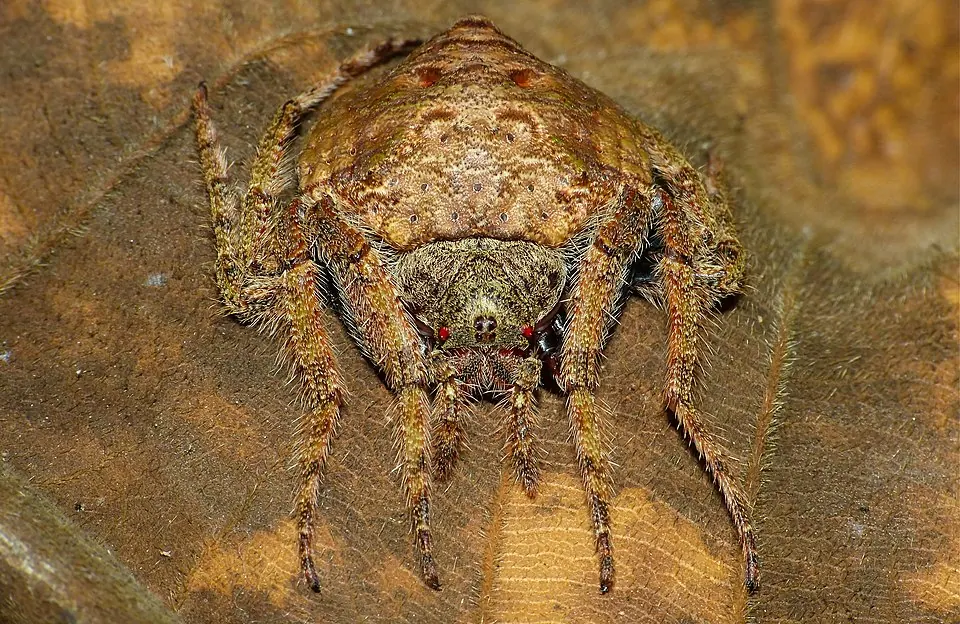 Usually low riskWrap-around spiderCamouflaged orb-weaver that flattens around twigs or branches during the day.
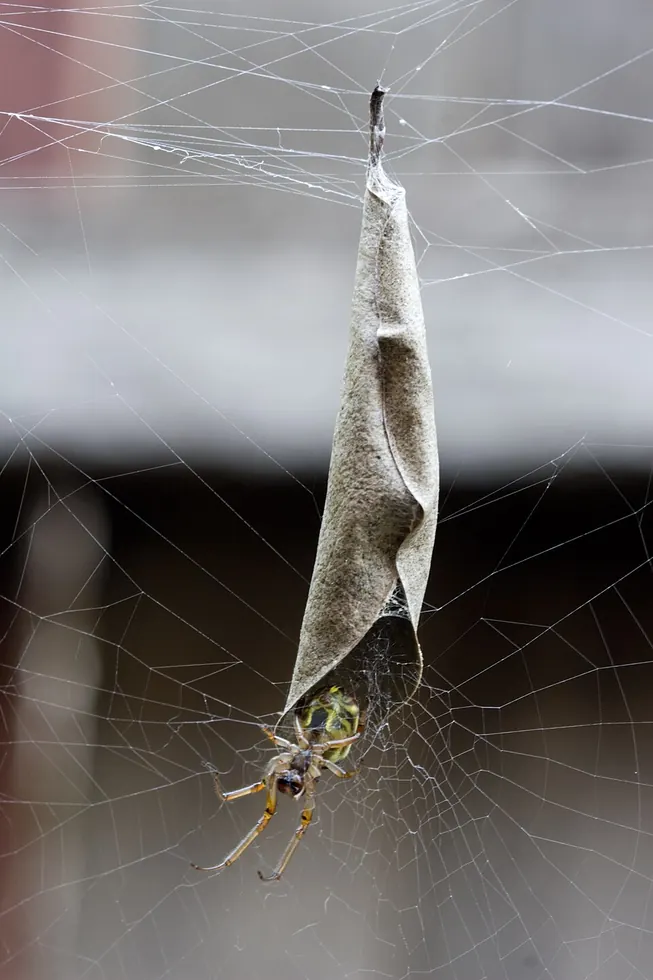 Usually low riskLeaf-curling spiderOrb-weaver that hides in a curled leaf suspended in its web.
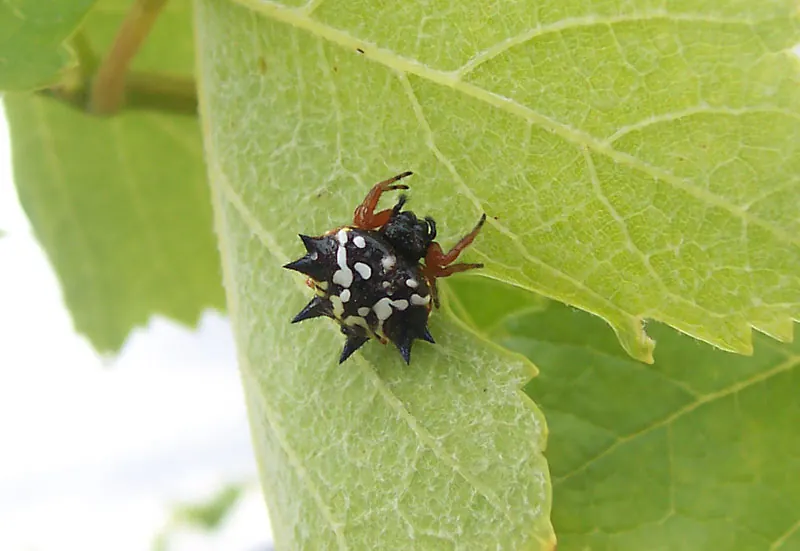 Usually low riskJewel spiderSmall hard-bodied orb-weaver with bright jewel-like colours and spiny projections.
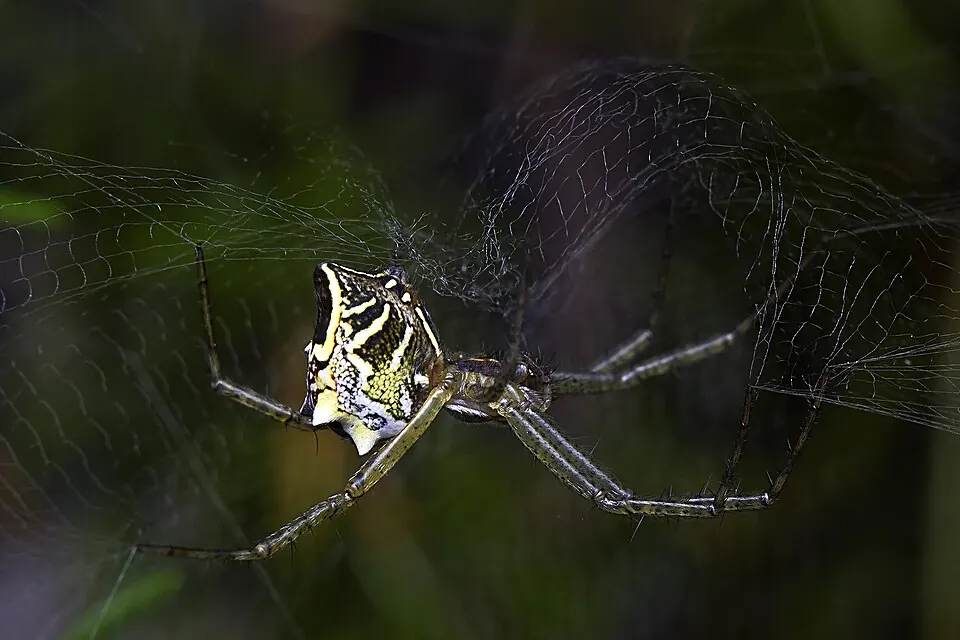 Usually low riskTent-web spiderWeb-building spider with a tent-like or dome-like web rather than a simple flat orb.
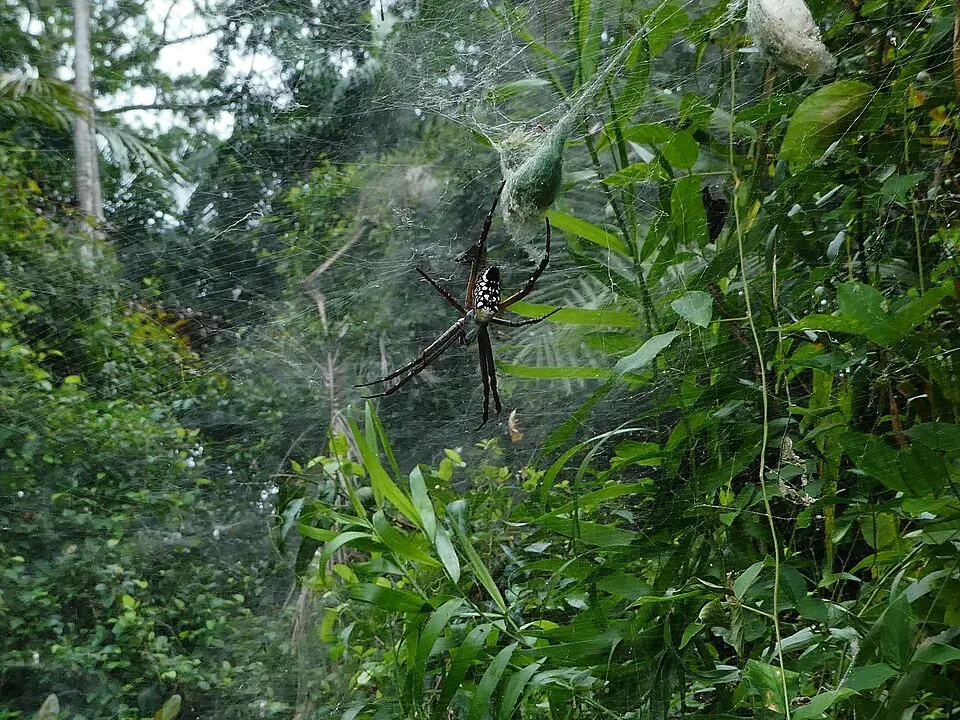 Usually low riskDome tent-web spiderLarge tent-web spider that builds a strong dome or bowl-shaped web in warm Australian gardens, parks and open vegetation.
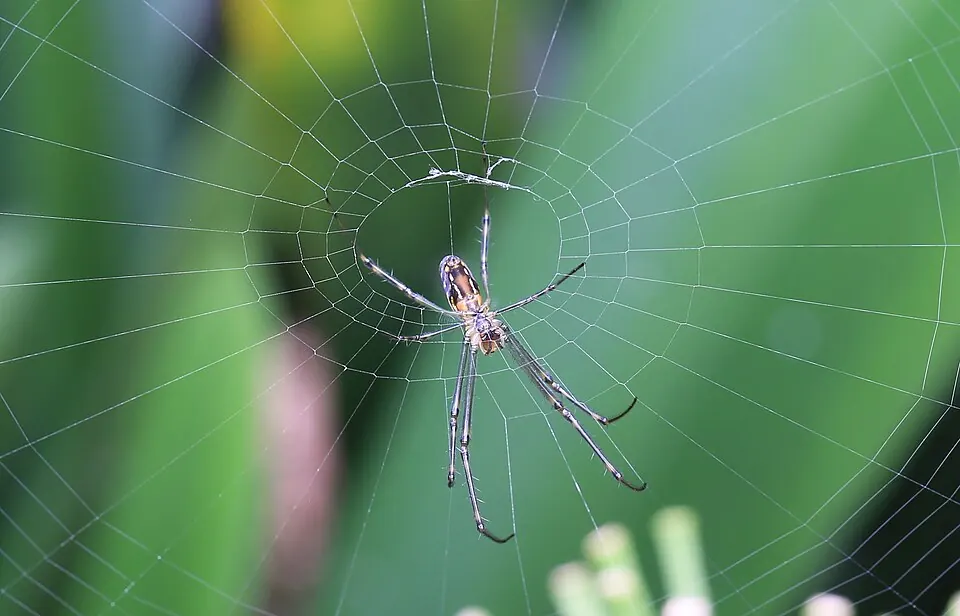 Usually low riskSilver orb-weaverSlender orb-weaver with silvery body markings, often found in small webs among vegetation.
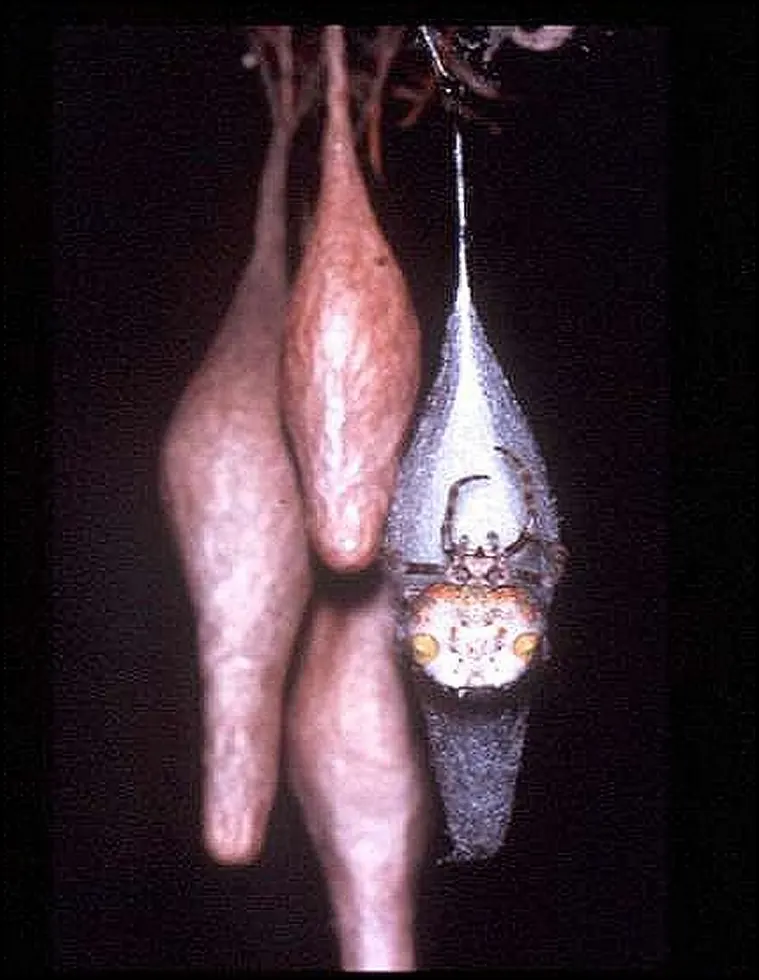 Usually low riskBolas spiderUnusual orb-weaver relative that catches moths with a sticky silk line rather than a classic web.
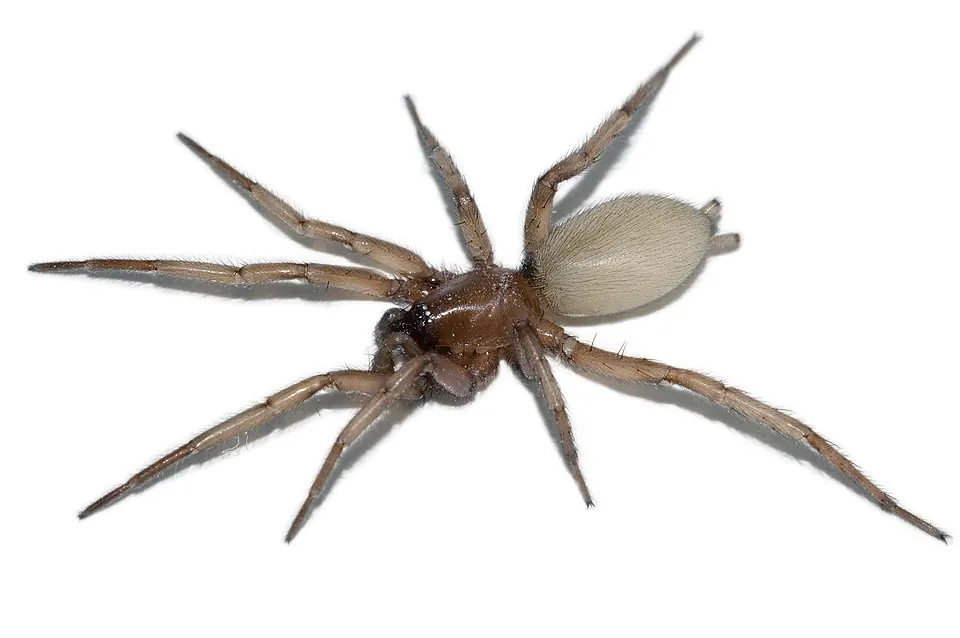 Usually low riskSwift ground spiderFast-running ground spider, usually dark or brown, often found under objects or crossing floors.
 Usually low riskOrange-legged swift spiderFast black-and-white Australian ground hunter with yellow to orange front legs, often seen sprinting across floors, logs, handrails or leaf litter.
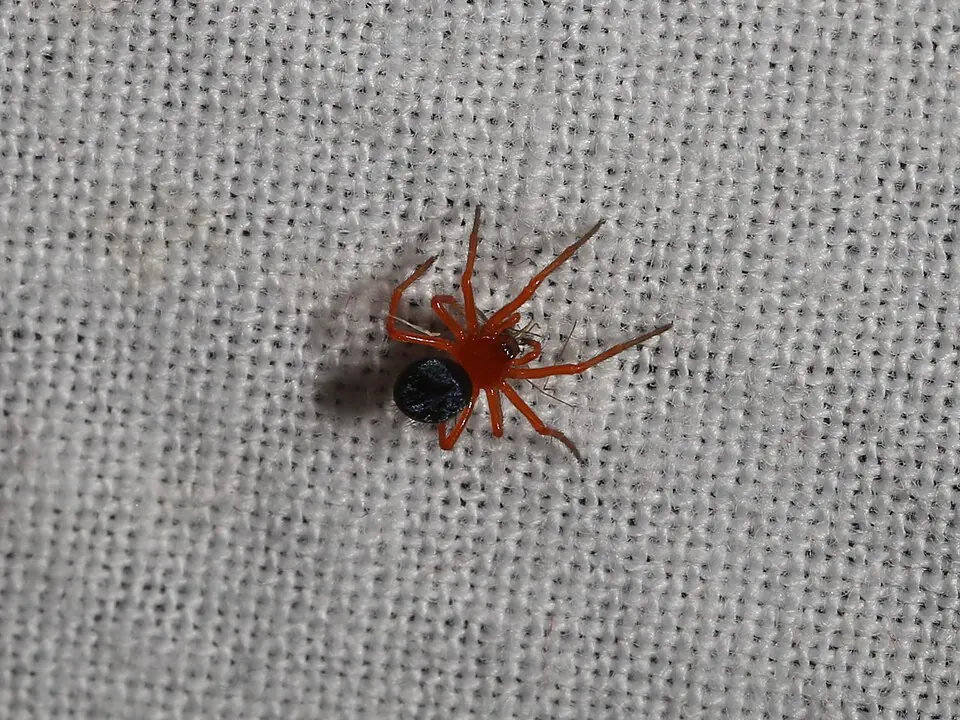 Usually low riskRed and black spiderRed-bodied and black-abdomen spider often found under bark, logs or in leaf litter.
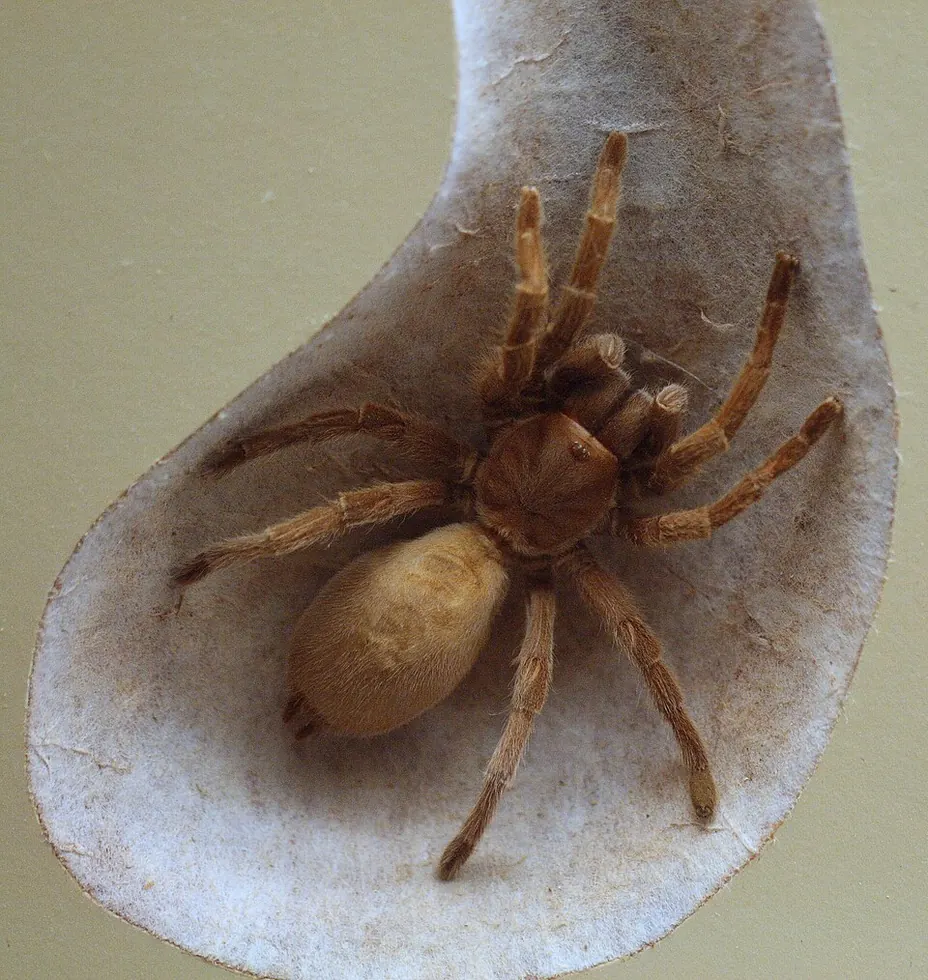 Painful but usually not life-threateningAustralian tarantula / whistling spiderLarge hairy mygalomorph spider from warmer parts of Australia, usually associated with deep burrows and heavy legs.
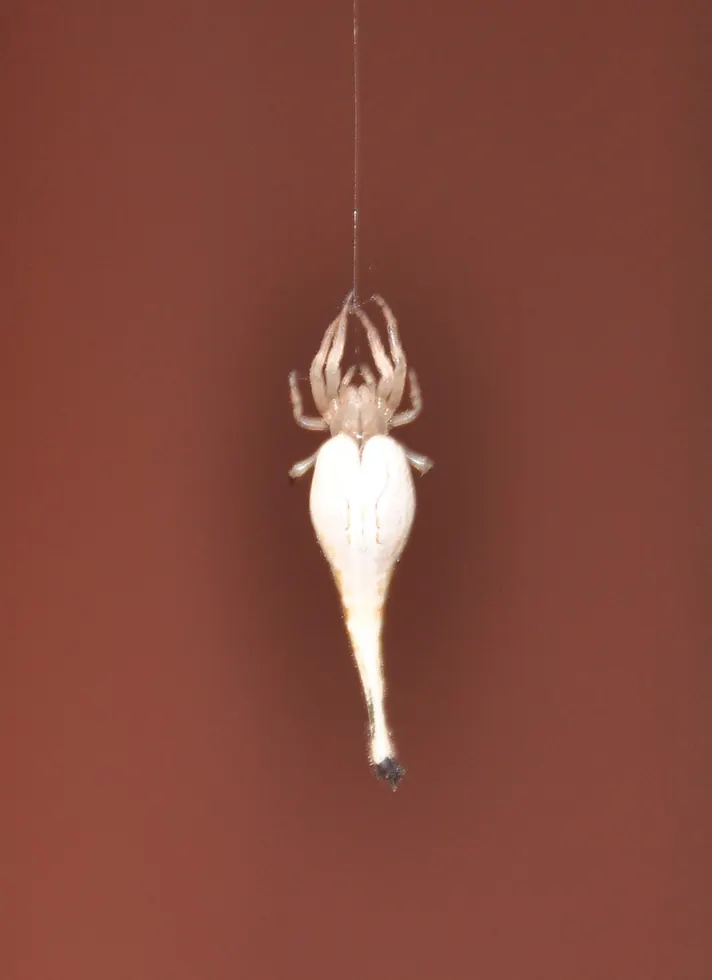 Usually low riskScorpion-tailed spiderOrb-weaving spider with a distinctive tail-like abdomen, usually seen sitting in a web in gardens or shrubs.
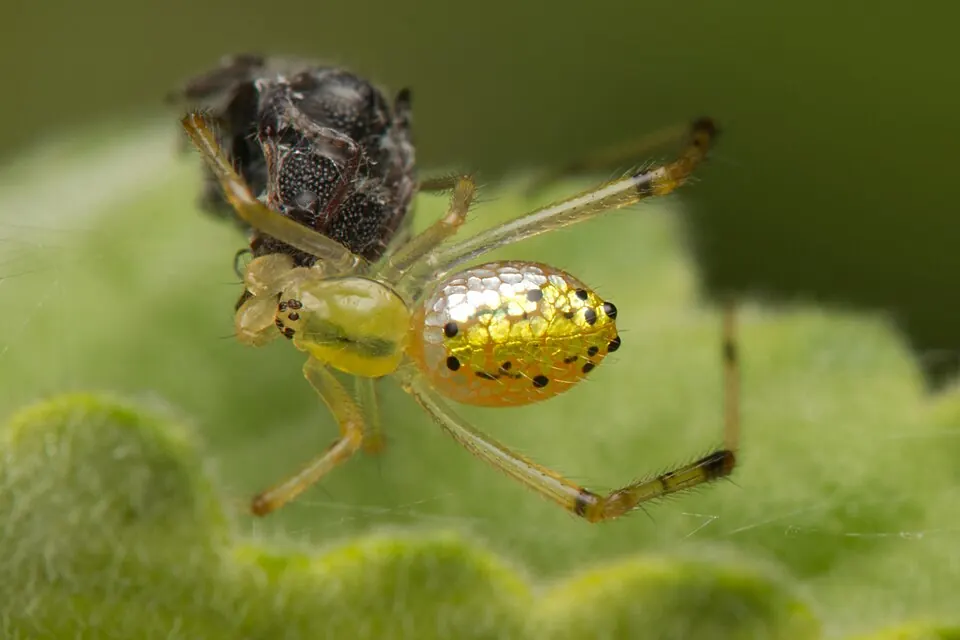 Usually low riskMirror spiderTiny decorative comb-footed spider with reflective silver patches, often found on leaves in humid gardens.
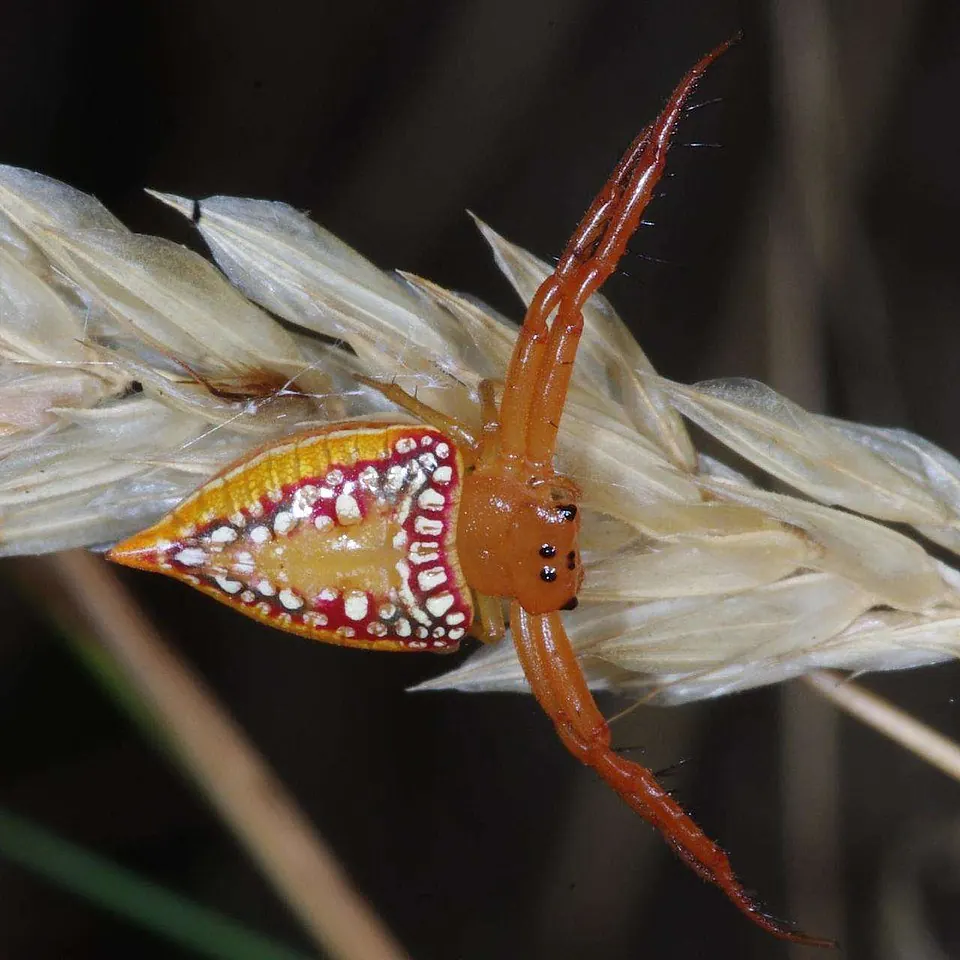 Usually low riskTriangular spiderSmall crab-like spider with a triangular body shape, often resting on leaves or flowers.
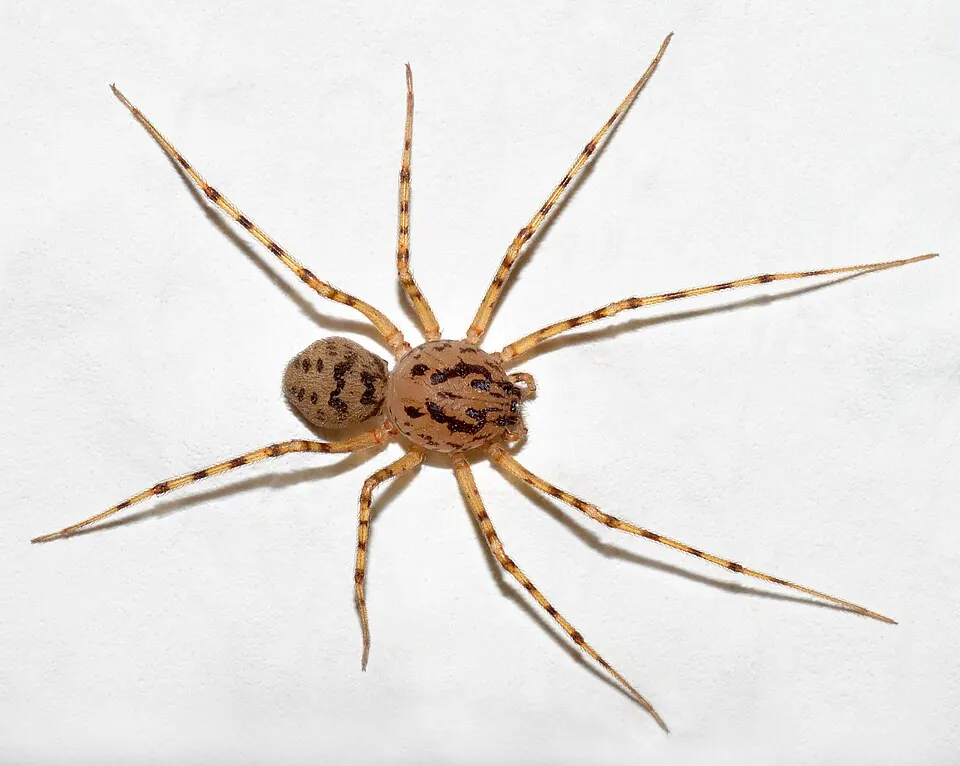 Usually low riskSpitting spiderSmall slow-moving spider with a domed body and long thin legs, sometimes found indoors.
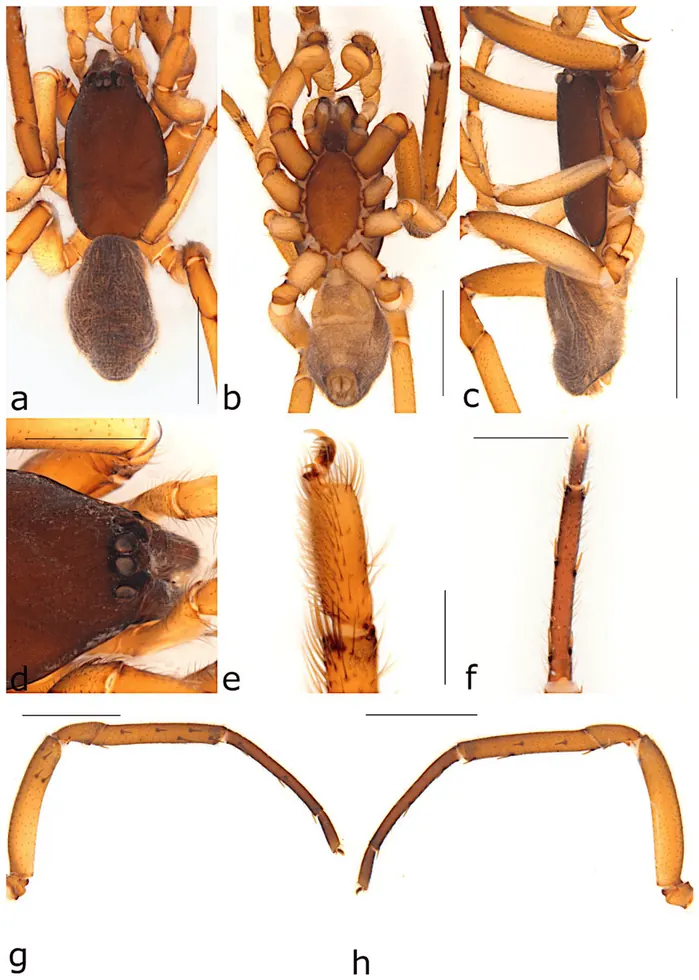 Usually low riskTube-dwelling spiderSlender spider that lives in a silk tube or crevice retreat, with radiating signal threads around the entrance.
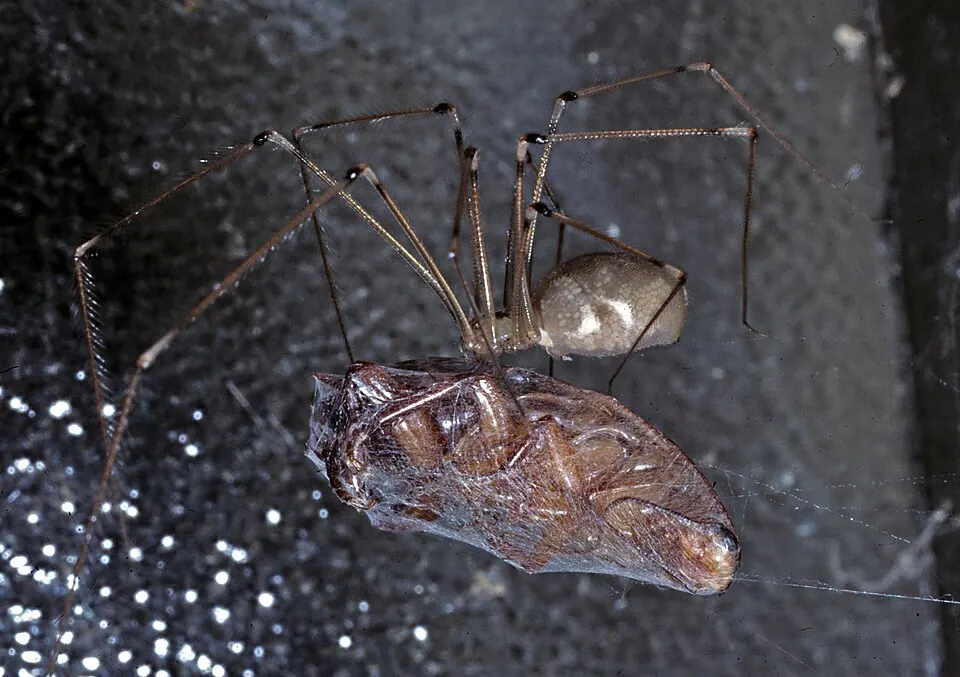 Usually low riskCommon house spiderSmall dull brown comb-footed spider that builds tangled webs in quiet corners, sheds, bathrooms and other sheltered indoor places.
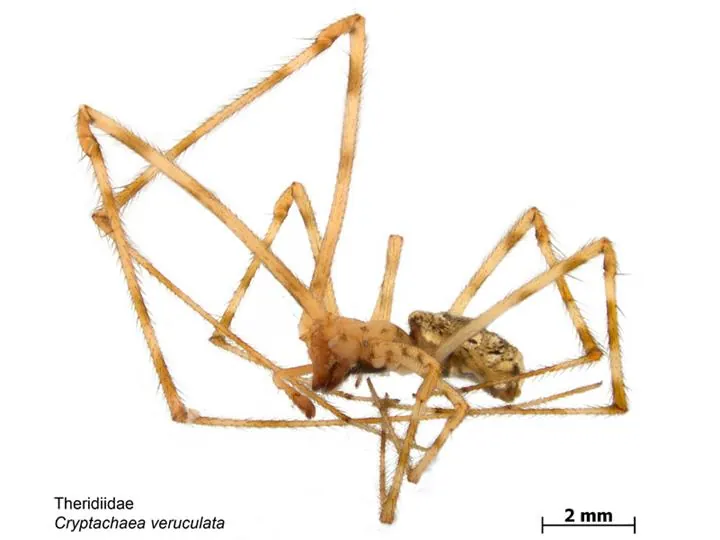 Usually low riskDiamond comb-footed spiderTiny patterned comb-footed spider in small messy webs on plants, garden edges and sheltered built structures.
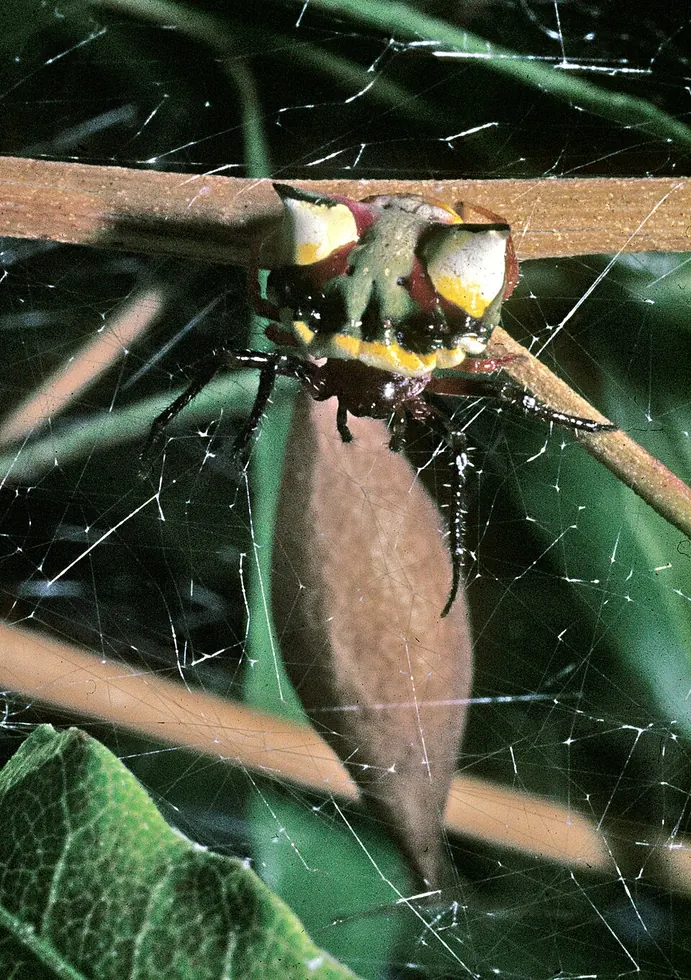 Usually low riskTwo-spined spiderSmall colourful orb-weaver with two pale spines on the adult female abdomen, often hiding under leaves by day and web-building at night.
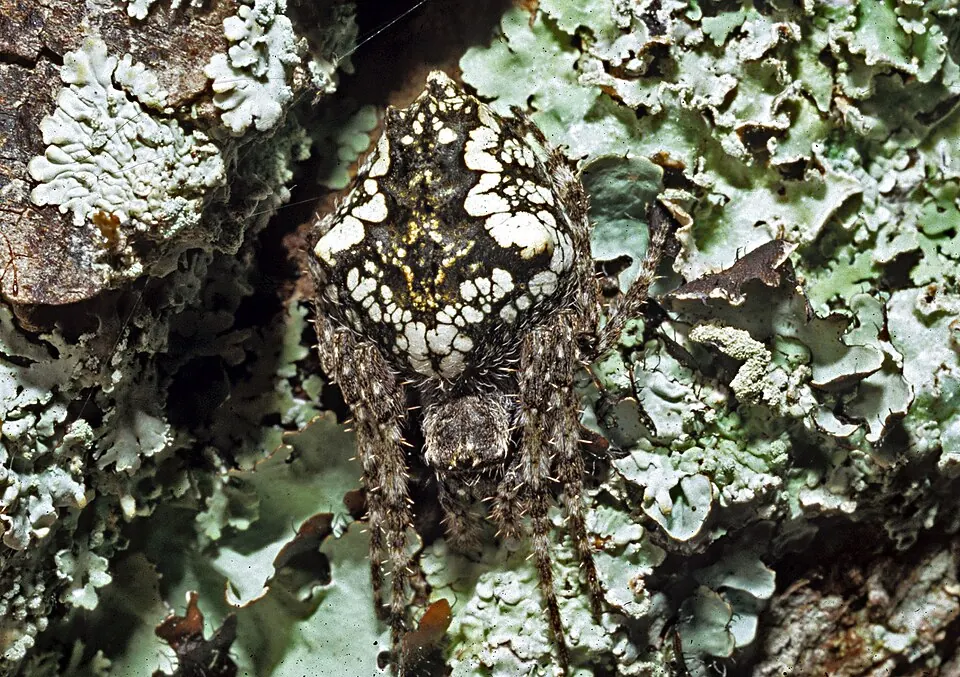 Usually low riskHeroic orb-weaver / lichen spiderChunky patterned orb-weaver with lichen-like camouflage, often found on walls, fences, bark, shrubs or near a night web.
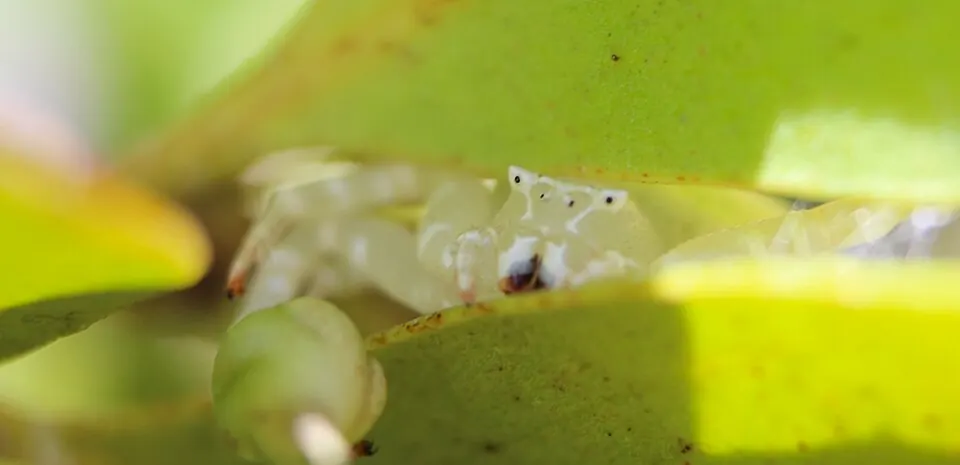 Usually low riskWhite flower spider / spectacular crab spiderSmall white, cream or yellow crab spider that waits on flowers with front legs held out to ambush visiting insects.
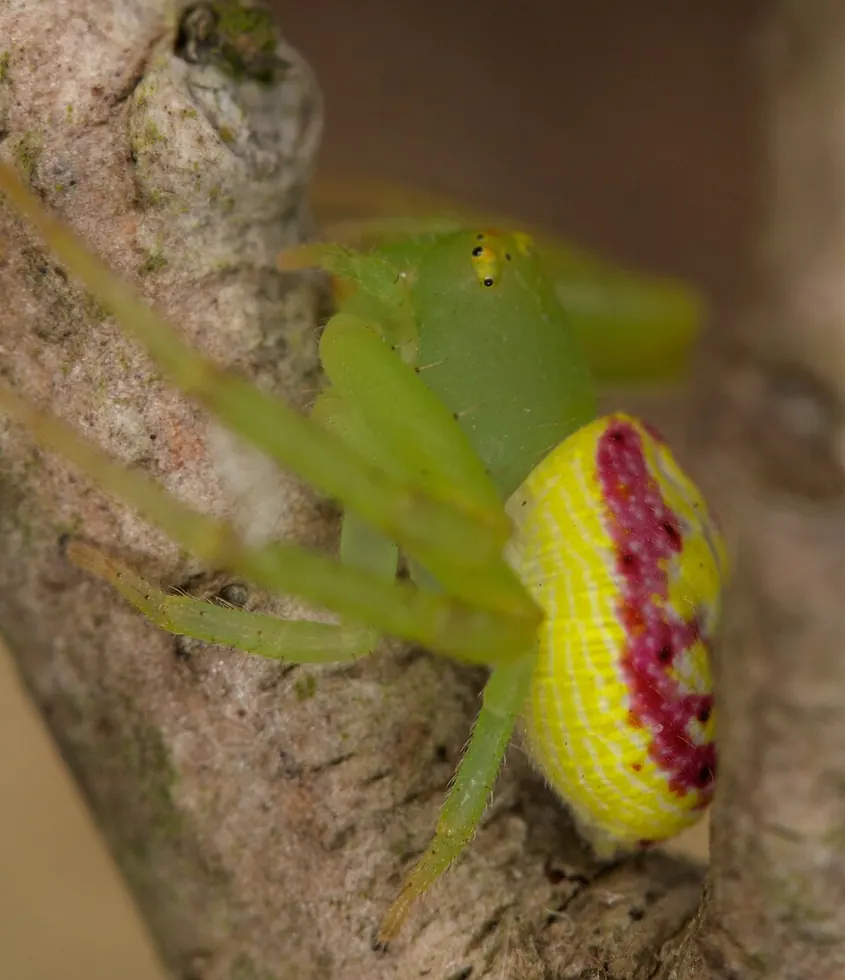 Usually low riskPink flower spider / green crab spiderSmall green, yellow or pinkish crab spider that waits on flowers and foliage with front legs held sideways.
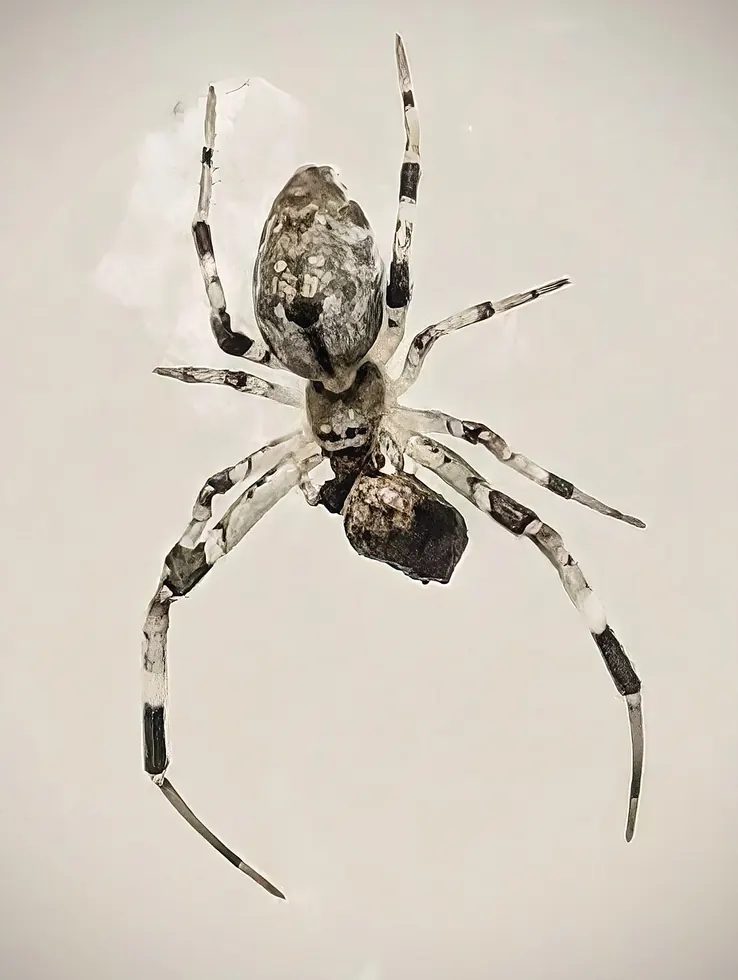 Usually low riskNinja-star ceiling spiderSmall grey-brown indoor spider often seen on ceilings or walls, with flat star-like egg sacs in a fine web.
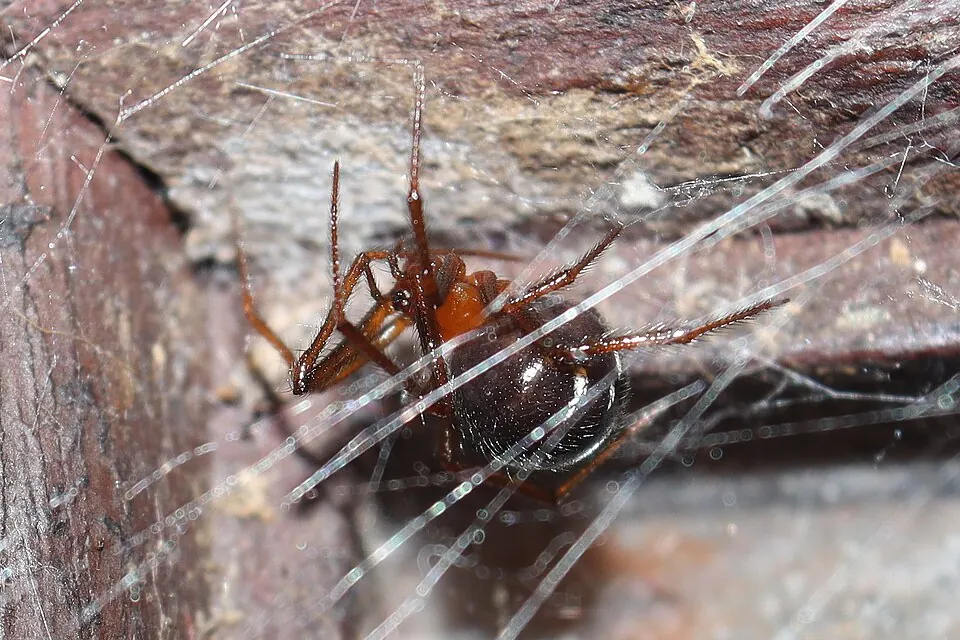 Usually low riskRed house spiderSmall reddish-brown comb-footed spider found in messy indoor or sheltered webs, often confused with young redbacks or cupboard spiders.
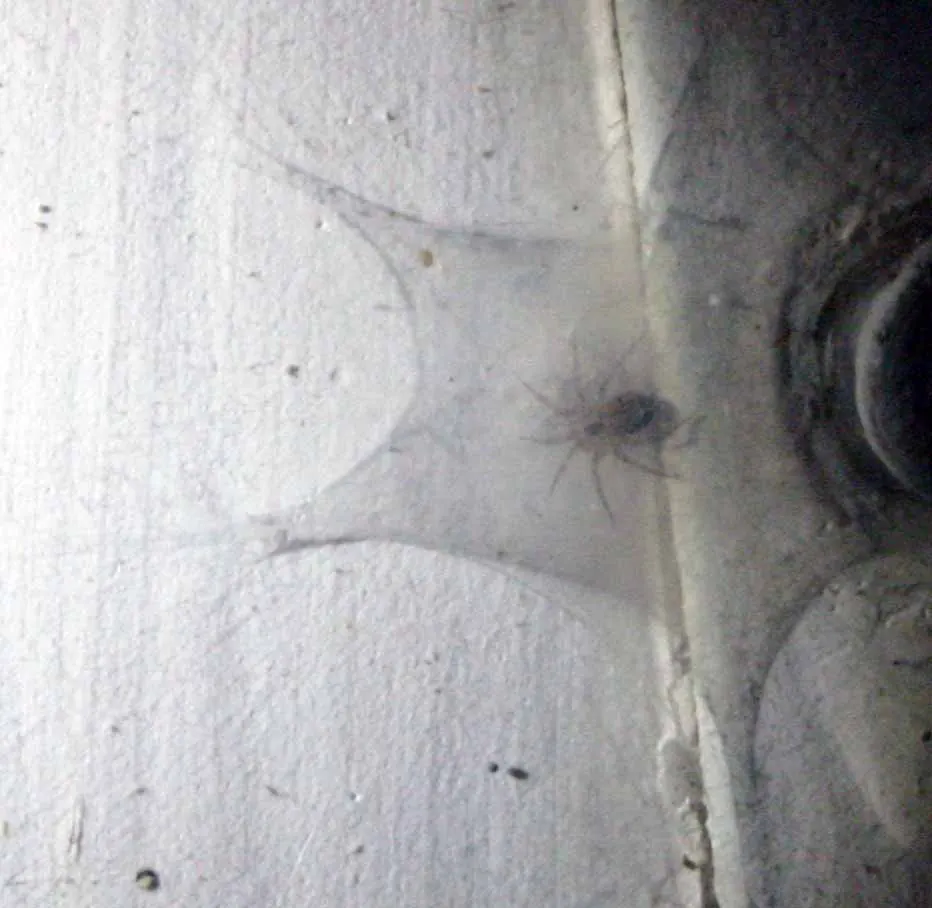 Usually low riskWall spider / baseboard spiderVery tiny pale-grey wall spider that makes a small flat web on walls, ceilings, skirting boards or bathroom corners.
 Usually low riskGiant bark jumping spiderCompact grey-brown jumping spider often seen on bark, walls, fences or garden surfaces, with large forward-facing eyes.
 Usually low riskBanded garden spiderStriped orb-weaver found in gardens and low vegetation, often sitting head-down in a round web with banded legs.
 Usually low riskRed-tipped square-ended crab spiderSmall green crab spider found on Australian foliage, especially Dianella, with long front legs and red-tipped abdominal humps.
 Usually low riskTrapezoid crab spider / trapezium crab spiderSmall square-ended crab spider found on foliage, bark and garden plants, with long front legs and a trapezoid body outline.
 Usually low riskCommon peacock spiderTiny southern Australian jumping spider, famous for colourful male courtship displays and active leaf-litter hunting.
 Usually low riskBanksia peacock spiderTiny south-west Western Australian jumping spider, best known for the colourful male fan display and banksia or jarrah woodland habitat.
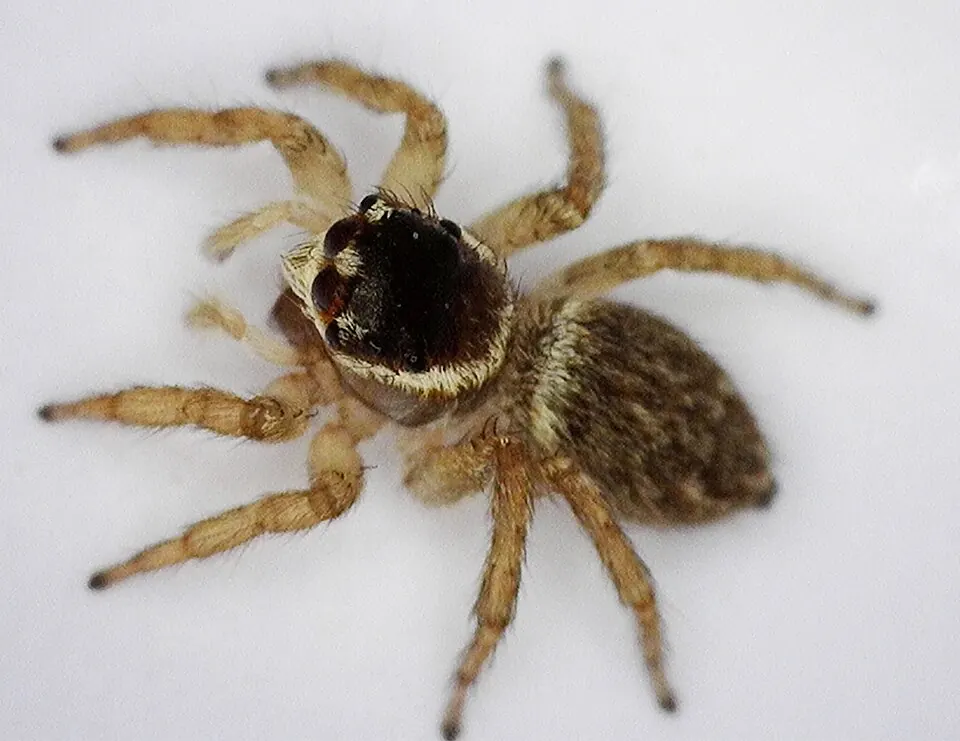 Usually low riskWhite-banded house jumping spiderSmall brown and grey house-hopper jumping spider, often seen on walls, fences, bark, foliage and around Australian homes.
 Painful but usually not life-threateningGarden wolf spiderCommon ground-running wolf spider from southern Australian gardens, lawns and bush edges, sometimes recognised by a Union Jack-style abdominal pattern.
 Usually low riskKnobbly crab spiderCamouflaged Australian crab spider with a knobbly bark-like body, often sitting still on bark, leaves or sheltered garden surfaces.
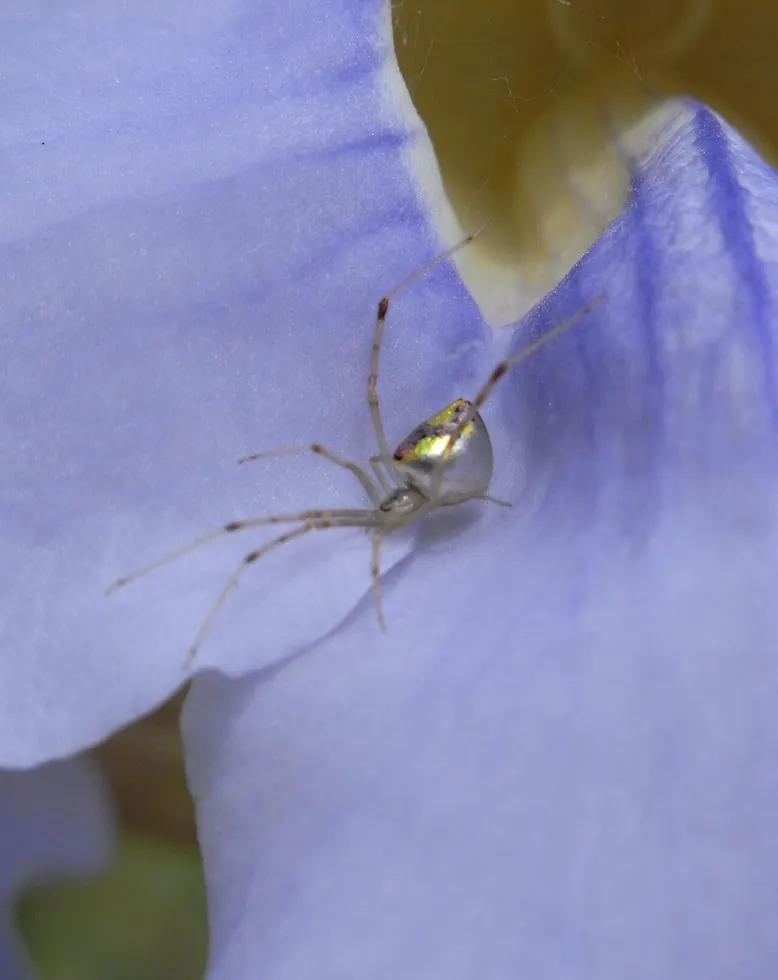 Usually low riskDewdrop spiderTiny silver-backed comb-footed spider that lives around orb-weaver webs and steals small prey from the host web.
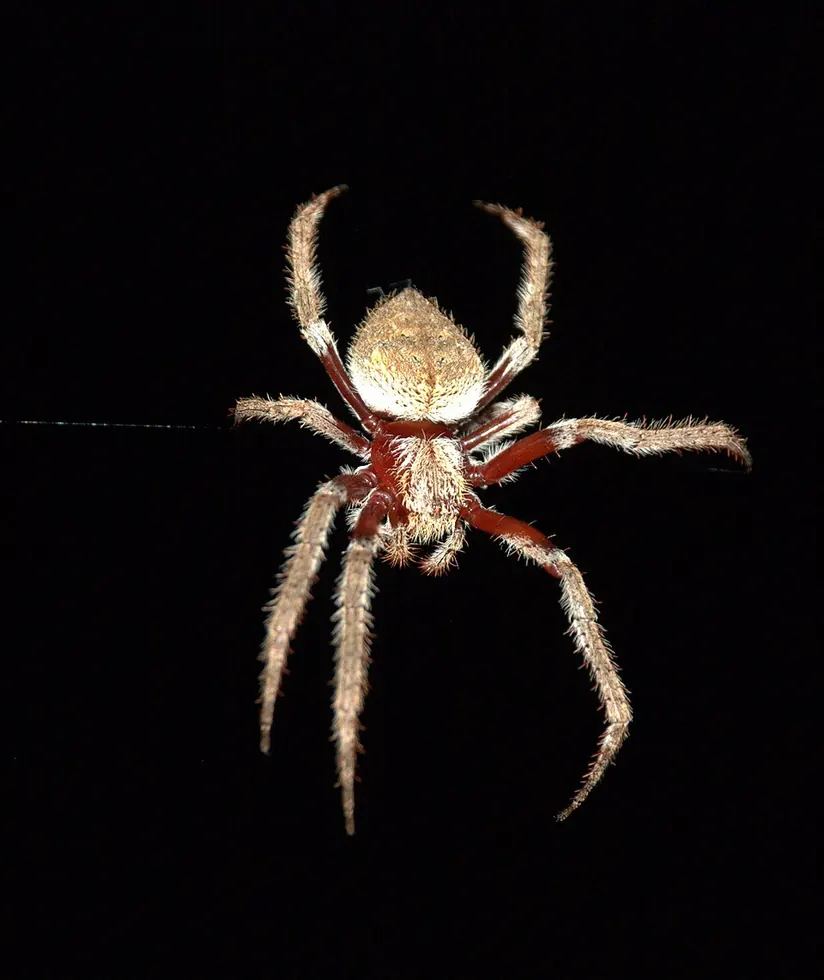 Usually low riskKnobbled garden orb-weaverHeavy-bodied Australian garden orb-weaver with two rear abdominal bumps, banded legs and a round night web in shrubs or garden edges.
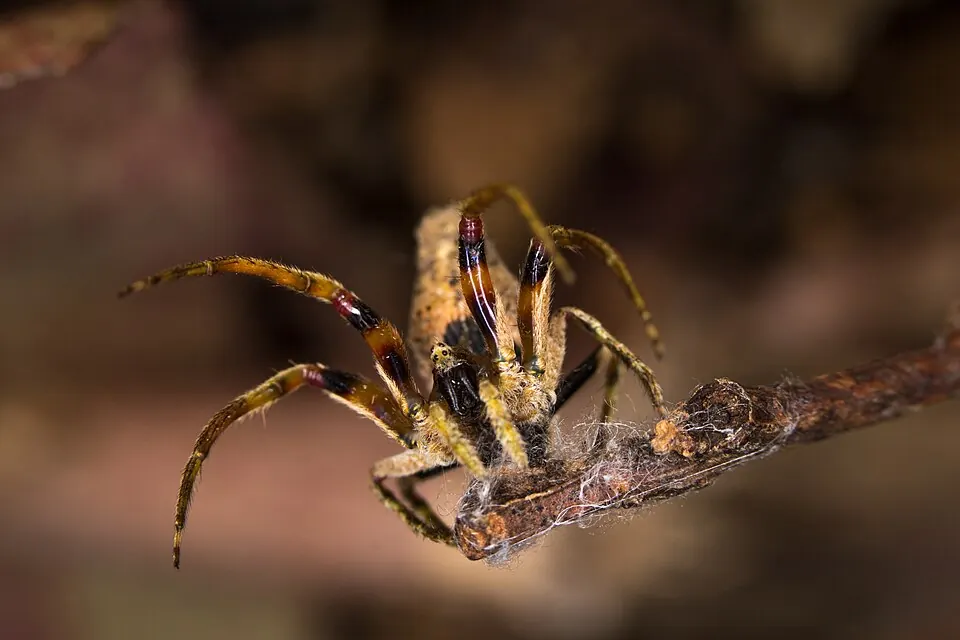 Usually low riskWrapped-up twig spiderCamouflaged Australian orb-weaver that tucks its legs tight by day to look like a twig, bark knob or small tree-stump fragment.Painful but usually not life-threateningBlack wishbone spiderDark burrowing mygalomorph spider with a Y-shaped wishbone burrow clue, often mistaken for funnel-webs or trapdoor spiders.Painful but usually not life-threateningNorthern wishbone spiderNorthern Australian wishbone-type spider from silk-lined burrows, usually noticed when males wander across paths, patios or verandahs.Usually low riskBrown huntsman spiderCommon brown huntsman-type spider with a broad flat body, sideways legs and fast wall-running behaviour inside or around homes.Painful but usually not life-threateningProwling spiderFast wandering ground or foliage hunter, often brown to orange-brown and confused with wolf spiders or sac spiders.Usually low riskSpotted ground spiderSmall to medium ground-running spider with dark body and pale or orange spots, often seen in leaf litter, gardens and paths.Usually low riskAnt-eating spiderSmall ground spider often associated with ants, with quick stop-start movement and a compact dark or patterned body.Usually low riskWhip spiderExtremely slender comb-footed spider with a long stick-like body, often found in fine webs around shrubs and garden edges.Usually low riskSignal-line spiderSmall orb-weaver that sits near a retreat connected to the web by a signal line, often in shrubs or garden vegetation.Usually low riskBlue-faced peacock spiderTiny Western Australian peacock spider with a striking blue-faced male display and jumping-spider movement.
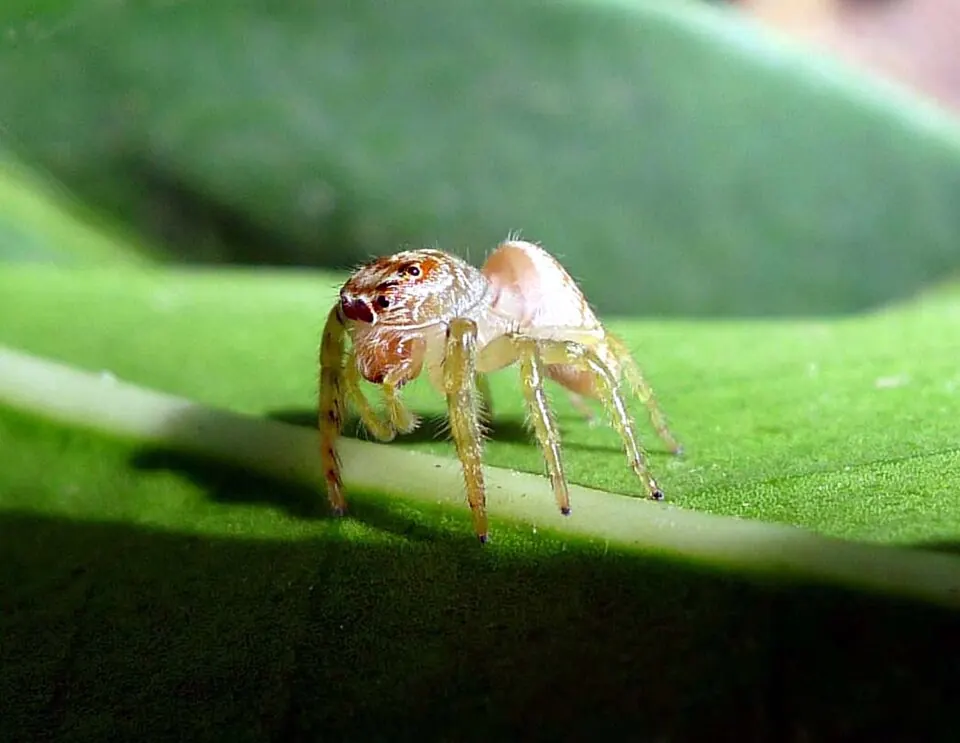 Usually low riskJovial jumping spiderSmall Australian jumping spider recognised taxonomically as Apricia jovialis, usually encountered as an alert brown or patterned hunter on bark and vegetation.Usually low riskSevere jumping spiderCompact Australian Clynotis jumping spider with a dark or brown patterned body, prominent front eyes and active bark or foliage hunting behaviour.Usually low riskSquat bark jumping spiderTiny broad-bodied Australian jumping spider often photographed on bark or vegetation, with a compact squat outline and large forward-facing eyes.Usually low riskRainbow peacock spiderTiny colourful peacock spider whose accepted name is Maratus rainbowi and whose older synonym Maratus splendens still appears in searches and records.Usually low riskOwl peacock spiderTiny southern Australian peacock spider named for an owl-like pattern on the colourful male abdominal fan.Usually low riskSlender crab spiderThin, twig-like crab spider that holds its front legs out and waits on stems, leaves or flowers for passing insects.Usually low riskGreen crab spiderSmall green ambush spider with sideways crab-like front legs, often found on leaves, flowers and garden plants.
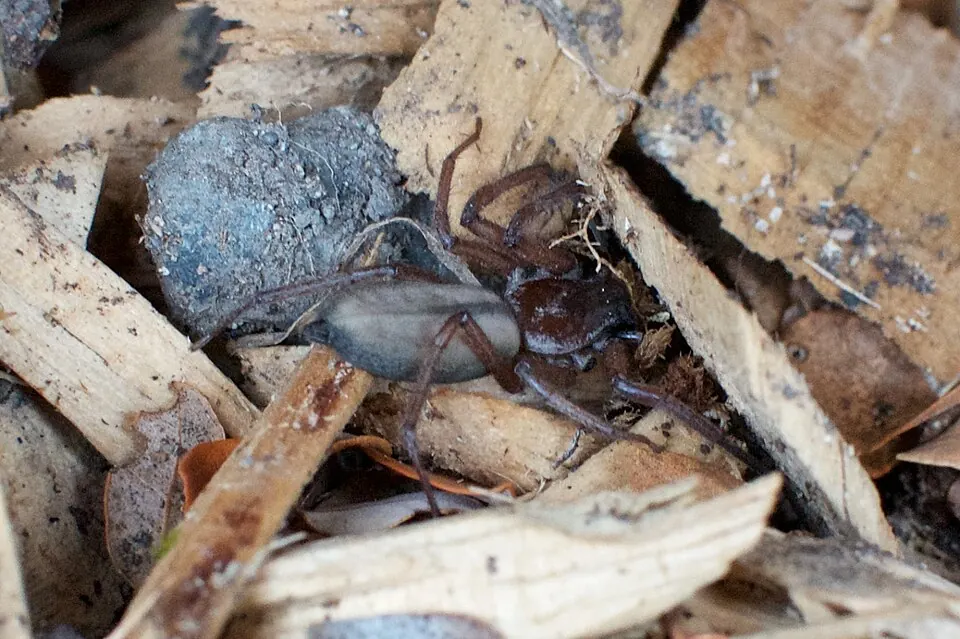 Usually low riskFlat rock spiderVery flattened ground spider that hides under rocks, bark or slabs and can be mistaken for a tiny huntsman or flattened bark spider.Usually low riskLong-spinneret ground spiderFast dark ground spider with noticeable rear spinnerets, usually found under debris, on floors, paths or dry garden edges.Usually low riskEdible golden orb-weaverLarge golden-orb spider of inland and southern Australia, with a long silvery to plum abdomen, banded dark legs and a strong golden web.Usually low riskAustralian Union-Jack wolf spiderRobust patterned Australian wolf spider from the Tasmanicosa group, usually seen running on the ground or at a burrow entrance at night.Usually low riskGrey wolf spiderGrey-brown burrowing wolf spider whose retreat can have a circular trapdoor, sometimes left open while the spider is out hunting.Usually low riskPerth forest wolf spiderSmall south-west Western Australian wolf spider common in moist low vegetation, suburban parks, reserves and gardens around Perth.Usually local pain riskSpotted trapdoor spiderStocky southern Australian trapdoor spider with a strongly arched carapace and pale hairless abdominal spots, usually linked with a concealed soil burrow.Not known as medically significantIntertidal marine spiderUnusual coastal spider that lives among intertidal rocks and reefs, sealing itself inside a silk air chamber when the tide covers its retreat.Usually low riskFoliage-webbing social spiderSmall Australian desid that can build conspicuous communal-looking sheets and tangles binding leaves and twigs together.Usually low riskRunning crab spiderSmall, fast, flat-bodied hunter on foliage, bark or walls that resembles a crab spider but has more evenly sized legs and a running habit.Usually low riskAustralian flattie spiderExtremely flattened, quick wall-and-bark hunter in the Australian genus Karaops, often mistaken for a small huntsman.Usually low riskPill flower spiderSmall southern Australian crab spider with an unusually rounded or lozenge-shaped abdomen, found on foliage in woodland and gardens.Usually local pain riskCape tangle-web spiderSmall dark brown comb-footed spider found in Australian buildings and sheltered tangles, sometimes confused with a young or unmarked redback.Usually low riskAnt-eating comb-footed spiderTiny Australian comb-footed spider that specialises in ants, throwing silk over an ant before biting it rather than relying on a large capture web.
WA spider questions
Western Australia spider identification FAQ
How do I identify a spider in Western Australia?
Start with the clues you can safely see: suburb or region in Western Australia, size, body colour, leg shape, web type and where the spider was found. A clear photo helps, but location and web clues often change the likely match.
What dangerous spiders should I check first in Western Australia?
Check funnel-web, mouse spider and redback possibilities first when the spider is dark, robust, found near a burrow or messy sheltered web, or if a bite has occurred. If symptoms are severe or a funnel-web or mouse spider bite is possible, call 000.
Can I identify a Western Australia spider by picture?
A picture can narrow the possibilities, especially if it shows the body, legs, markings and web or hiding place. Do not handle or move a spider to get a better photo.
Can I identify a Western Australia spider by web?
Yes, web type can help narrow the match. In Western Australia, note whether the spider was in a messy corner web, a round orb web, a silk-lined burrow, a sheet-like web, or wandering without a web. Use that clue with size, colour and location.
What if the spider was large and flat in Western Australia?
A large, flat spider on walls, ceilings, bark or inside cars is often compared with huntsman-type spiders. Check size, leg spread, colour and where it was resting, and compare against other large ground or wall spiders before deciding.
Are brown recluse spiders common in Western Australia?
Brown recluse is a common search term, but most brown spiders seen in Western Australia are more likely to be local Australian spiders. Compare brown house spiders, huntsmans, wolf spiders, trapdoor spiders and other local lookalikes.
What should I do if someone may have been bitten?
For severe symptoms, breathing trouble, collapse, or suspected funnel-web or mouse spider bite, call 000. For poisons advice in Australia call 13 11 26. This site can help compare clues, but it cannot diagnose a bite.
Reference notes
How this guide stays cautious
Spider Identifier Australia uses visible clues to suggest likely possibilities. It is not a medical diagnosis or a formal species determination.
- Australian Museum spider informationAustralian spider identification, biology and dangerous spider context.
- Australian Museum funnel-web spidersFunnel-web range, identification and bite-safety context.
- Poisons Information CentreCall 13 11 26 for poisons advice from anywhere in Australia.
- healthdirect spider bitesAustralian spider bite first aid, emergency signs and white-tail bite evidence.
- Australian Museum redback spiderRedback identification, web clues and Australian distribution.
- Australian Museum spiders in the house and gardenCommon Australian house and garden spider context.
More spiders to compare in this region
Argiope protensa
Teardrop spider
A slender orb-weaver with a tapering abdomen, also called the tailed grass spider. Compare the tail, paired-leg posture and complete web.
Read identification guide →Poecilipta species
Poecilipta ant-mimicking spiders
Tiny, fast ground-running ant mimics with slender legs. Poecilipta belongs to Corinnidae, not the jumping-spider ant mimics.
Read identification guide →Troglodiplura lowryi
Nullarbor cave trapdoor spider
A rare blind cave spider from the Western Australian Nullarbor. A permanently dark cave habitat is required for this possibility.
Read identification guide →Euoplos species
Armoured trapdoor spiders
Euoplos is a genus of Australian trapdoor spiders. Different species occupy separate regions, so this guide stays at group level.
Read identification guide →Idiosoma nigrum
Shieldbacked trapdoor spider
A Western Australian trapdoor spider with a hardened abdominal shield. The revised Idiosoma nigrum species must be separated from its close relatives.
Read identification guide →Australomimetus species
Pirate spiders
Small spider-hunting mimetids that may enter another spider’s web. Rows of distinctive leg spines are a useful close-up clue.
Read identification guide →Miturga species
Lined spiders
Miturga are prowling hunters that can resemble wolf spiders. Some build dense silk retreats in low vegetation or beneath logs.
Read identification guide →Amyciaea albomaculata
Green tree ant-mimicking spider
An ant-mimicking crab spider associated with green tree ants. Its disguise and prey differ from those of ordinary flower spiders.
Read identification guide →Hedana species
Hedana green crab spiders
Small foliage-dwelling crab spiders in the genus Hedana. Green colour alone cannot separate them from other Australian thomisids.
Read identification guide →Zygometis xanthogaster
Yellow-tailed crab spider
A variable pale crab spider also called the milky flower spider. Females and much smaller males can look quite different.
Read identification guide →