

Photo credits
iNaturalist Australia user: wendy_moore CC BY 4.0 · James Niland CC BY 2.0 · Arthur Chapman CC BY 2.0 · Peter Woodard Public domain
Arkys species
Triangular Spider Identification in Australia
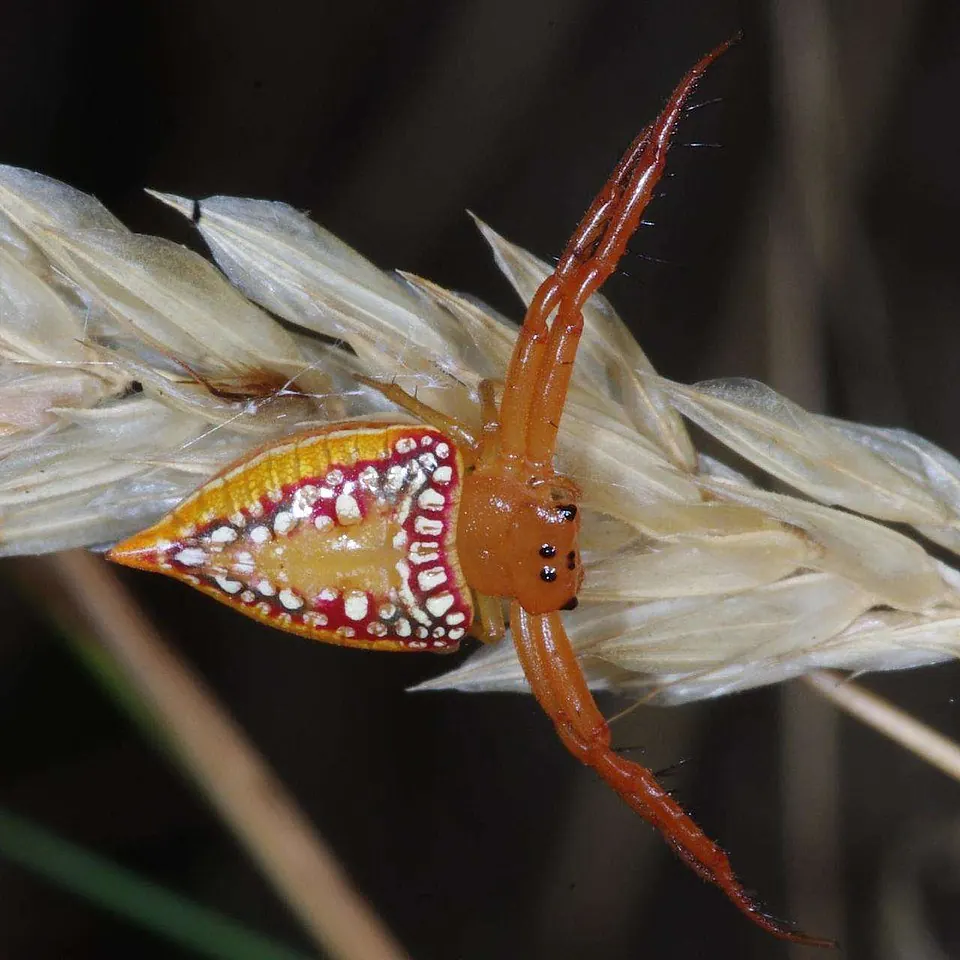
Small crab-like spider with a triangular body shape, often resting on leaves or flowers.
First aid / what to do now
- Move away from the spider and avoid handling it.
- Wash the bite area with soap and water.
- Use a cold pack for pain or swelling.
- Call 13 11 26 or seek medical advice if symptoms are severe, spreading, infected-looking, allergic, or you are unsure what bit you.
This site cannot diagnose a bite. In an emergency call 000. For poisoning advice in Australia call 13 11 26.
How to identify the Triangular spider
- Small triangular or angular body
- Crab-like resting posture
- Often on foliage
- Does not sit in a large orb web
Danger level
Usually low risk
What to check next
Check body outline and resting posture on leaves. Compare with flower crab spiders and bird-dropping spiders.
When to seek medical help
Seek advice for severe pain, allergic symptoms or uncertainty after a bite.
Where the Triangular spider is usually seen in Australia
Leaves, shrubs, flowers, native vegetation and garden foliage.
How it differs from lookalikes
These comparisons are clues, not a confirmed species ID. Use several features together: body shape, size, location, web type and behaviour.
- Flower spider / crab spiderMay overlap because of same region, similar size, similar colour. For this spider, check: Check body outline and resting posture on leaves. Compare with flower crab spiders and bird-dropping spiders. For the other possibility, check: Check for crab-like posture on flowers or leaves.
- Lynx spiderMay overlap because of same region, similar size, similar colour. For this spider, check: Check body outline and resting posture on leaves. Compare with flower crab spiders and bird-dropping spiders. For the other possibility, check: Check for spines on the legs and plant-dwelling hunting behaviour.
- Spitting spiderMay overlap because of same region, similar size, similar colour. For this spider, check: Check body outline and resting posture on leaves. Compare with flower crab spiders and bird-dropping spiders. For the other possibility, check: Check for a high domed body and slow movement rather than a messy web or fast ground-running behaviour.
Common comparisons
People often compare this spider with similar Australian spiders. These quick links help you check the closest alternatives.
Compare this spider by state
Use the state guides to compare this spider with other local possibilities.
Next useful checks
Still trying to identify this spider?
Use these quick paths if the Triangular spider is only one possible match. They help compare photo clues, local spider pages, bite guidance and similar Australian spiders.
Reference notes
How this guide stays cautious
Spider Identifier Australia uses visible clues to suggest likely possibilities. It is not a medical diagnosis or a formal species determination.
- Australian Museum spider informationAustralian spider identification, biology and dangerous spider context.
- Australian Museum funnel-web spidersFunnel-web range, identification and bite-safety context.
- Poisons Information CentreCall 13 11 26 for poisons advice from anywhere in Australia.
Common questions
Triangular spider FAQ
Is the Triangular spider dangerous?
Danger level: Usually low risk. Seek advice for severe pain, allergic symptoms or uncertainty after a bite.
How do I identify the Triangular spider?
Check the visible body shape, size, colour, markings, location and web or hiding place. Key clues include: Small triangular or angular body; Crab-like resting posture; Often on foliage; Does not sit in a large orb web.
What should I do if I think I was bitten by a Triangular spider?
Clean the area, use a cold pack for pain, and seek medical advice if pain is severe, symptoms spread, infection signs appear, or you are unsure what bit you.
Where is the Triangular spider usually found?
Leaves, shrubs, flowers, native vegetation and garden foliage.
What spiders look similar to the Triangular spider?
Common lookalikes can overlap in colour, size, web type or habitat. Use the similar spiders and common comparisons on this page to check alternatives before settling on a match.
Can I identify the Triangular spider by photo?
A photo can help if it shows the whole spider, markings, size and where it was found. For the Triangular spider, also compare the checklist clues and what to check next rather than relying on colour alone.


